The Shining
Stanley Kubrick
(1980)
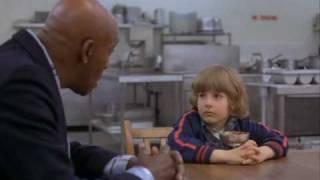
Jack Torrance accepts a caretaker job at the Overlook Hotel, where he, along with his wife Wendy and their son Danny, must live isolated from the rest of the world for the winter. But they aren't prepared for the madness that lurks within.
Cast


Crew
Overview and Horror Legacy
Over time, it has been recognized as one of the greatest horror films ever made, achieving both cult status and critical acclaim. The film features groundbreaking steadicam work, particularly in the tracking shots of Danny riding his tricycle through the hotel corridors.
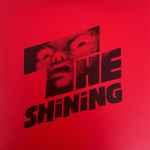
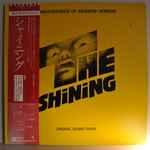
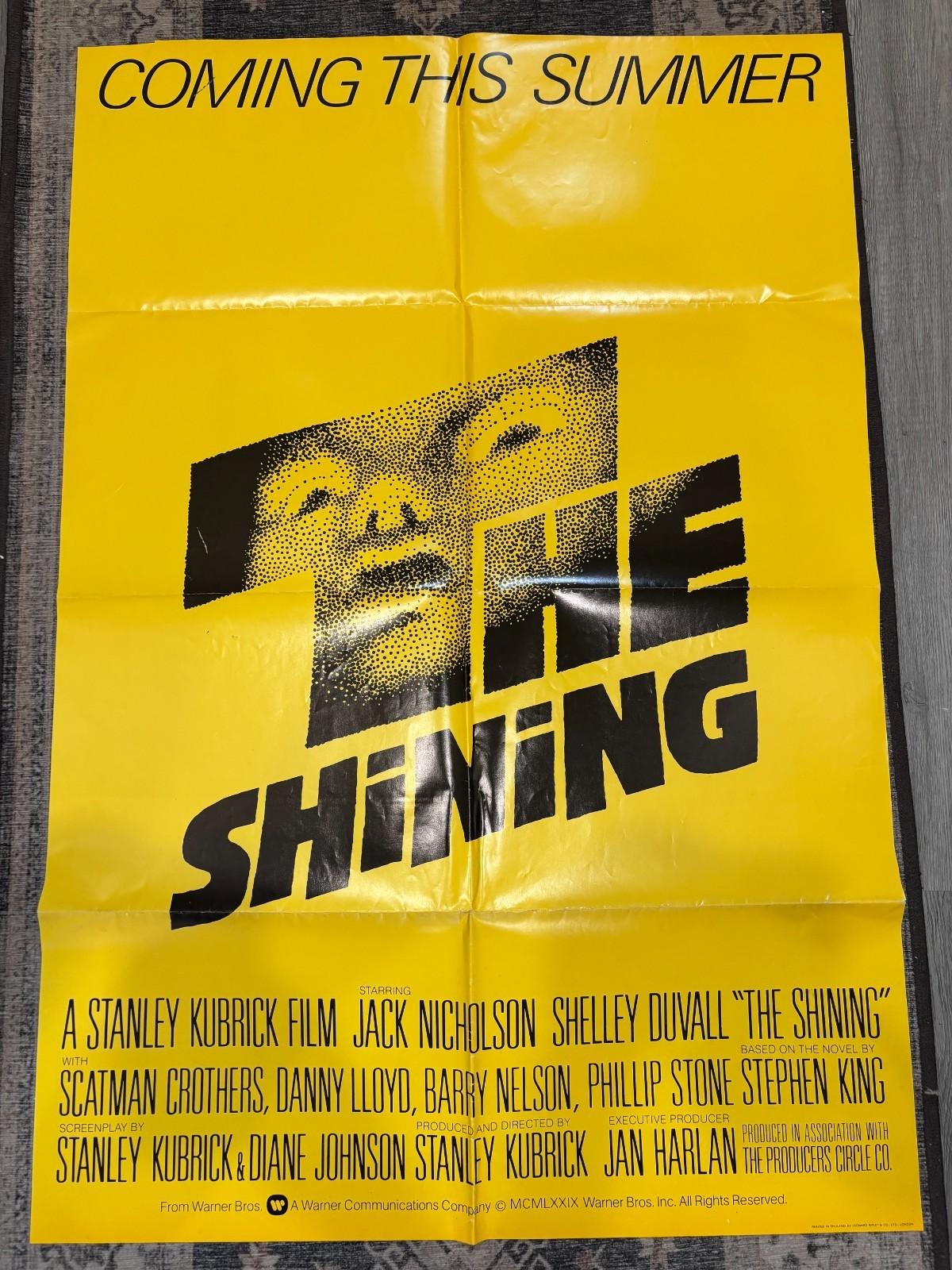
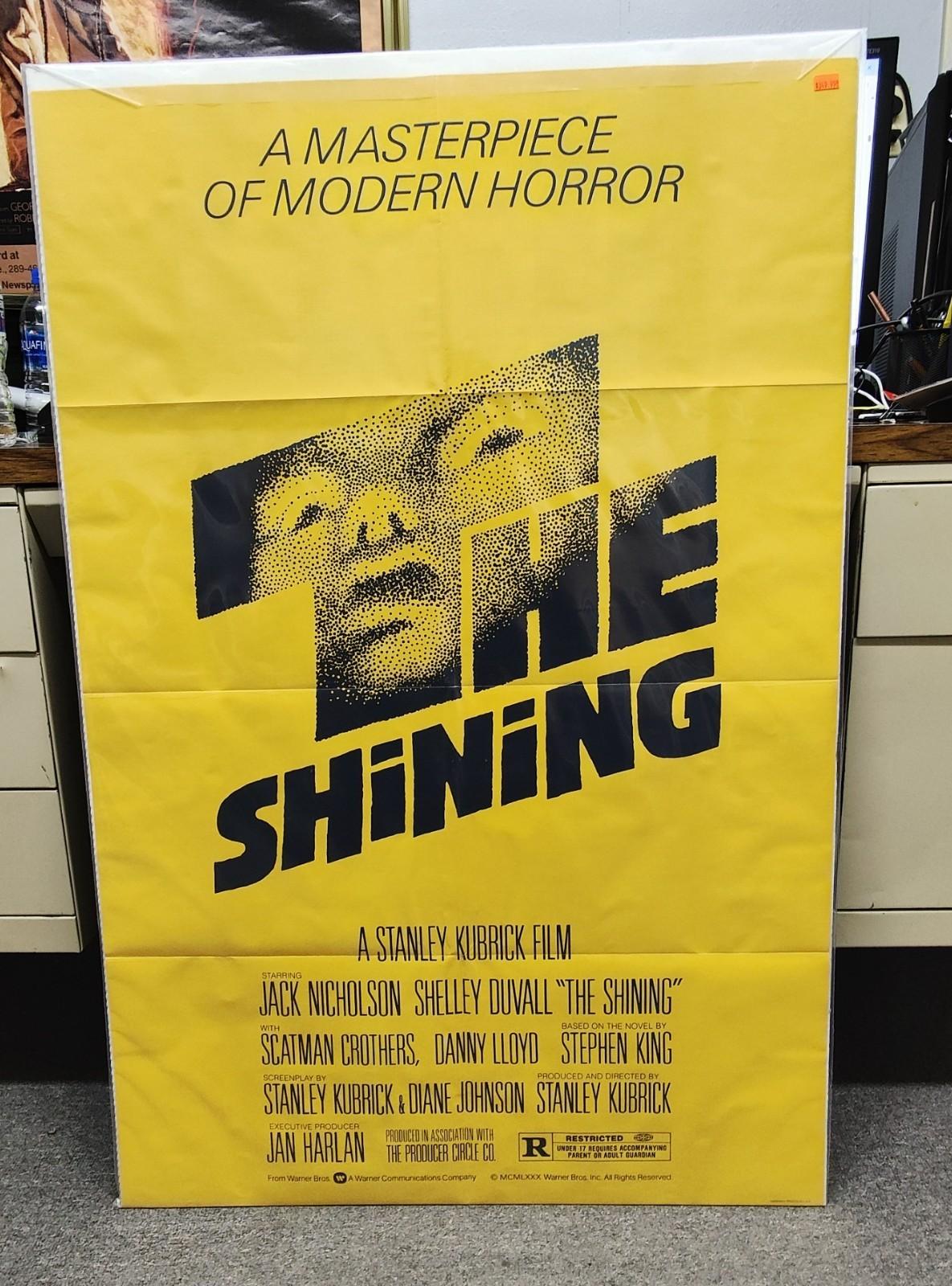
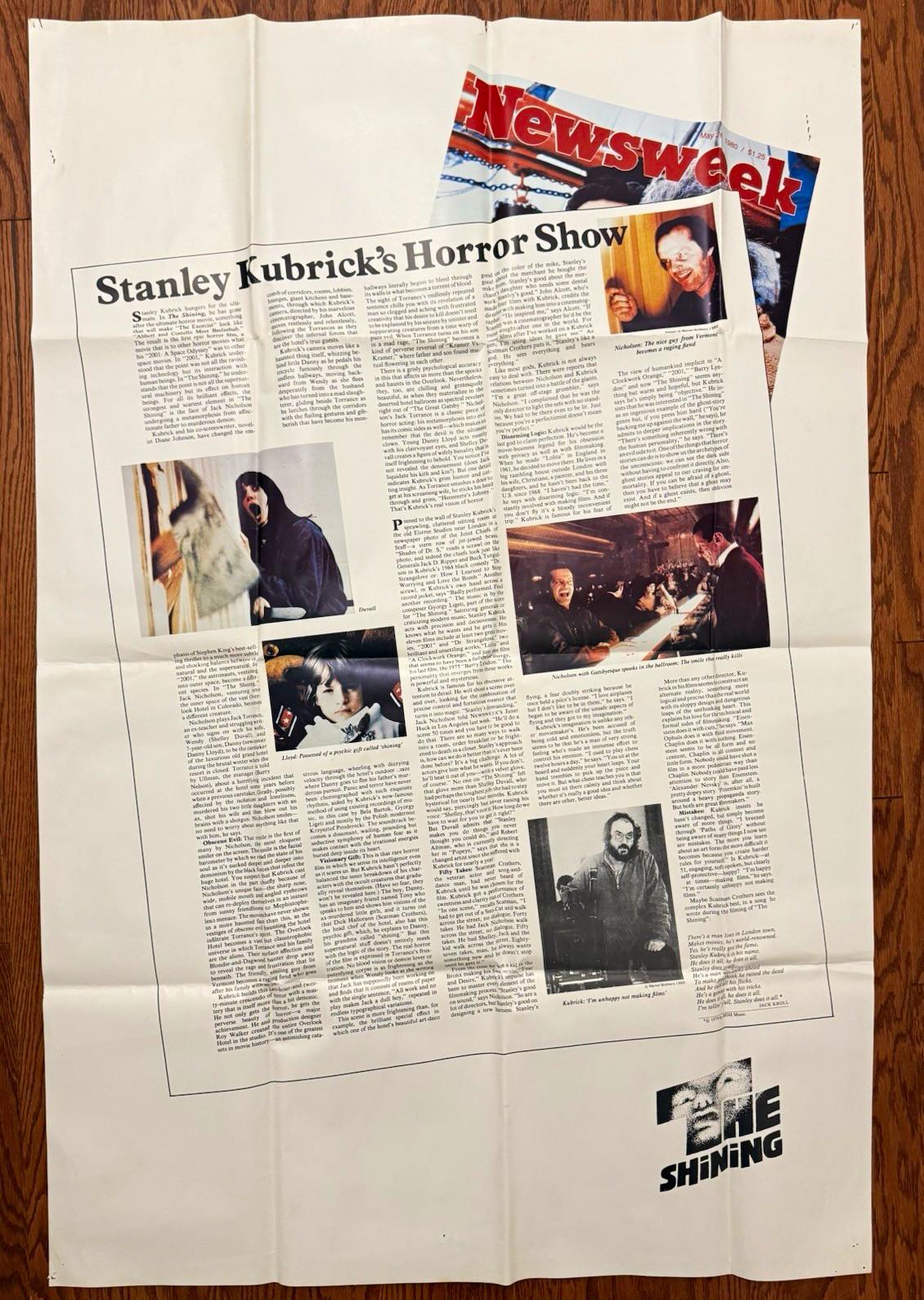
Collector Market and Memorabilia
Kubrick's obsessive use of the Steadicam and the Overlook Hotel's impossible geometry produced images so precise they've been analyzed frame by frame. The blood elevator, the twin girls, the typewriter — each is a self-contained horror icon. The Bartók-Penderecki-Ligeti score is as important as the visuals.
Cult Status
Produced with Kubrick’s obsessive attention to detail, The Shining involved extensive set construction, innovative cinematography, and a demanding shooting schedule. The Shining received mixed reviews upon release, with some critics finding its pacing slow or its story ambiguous. The film has influenced countless directors, inspired academic study, and remains a touchstone in horror cinema for its blend of supernatural terror, psychological complexity, and cinematic innovation.