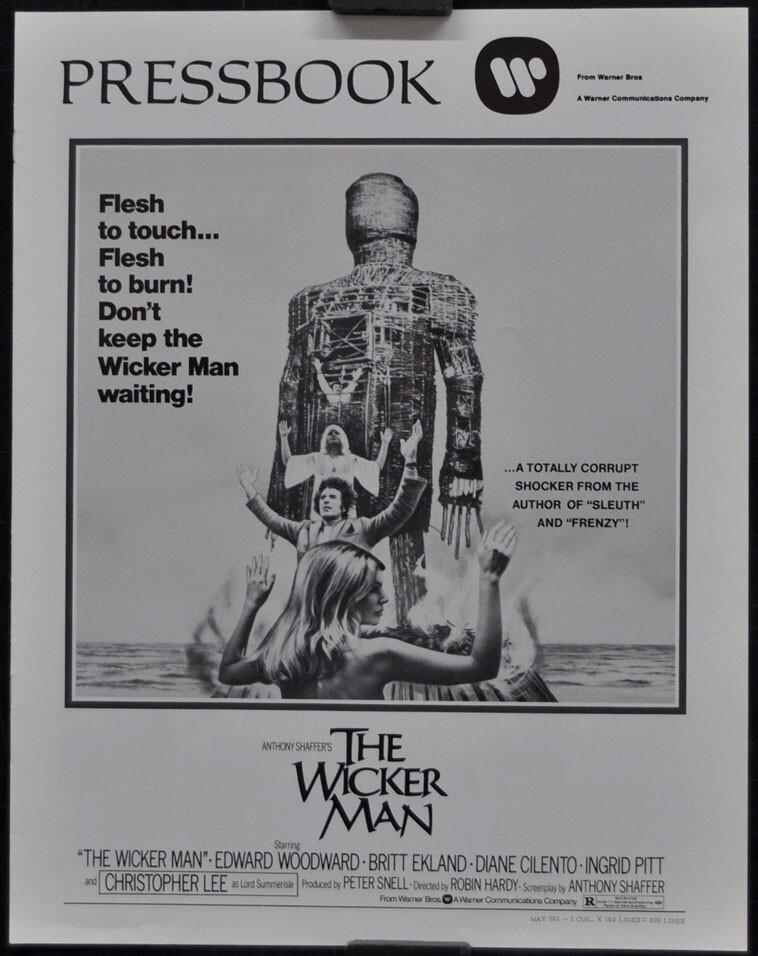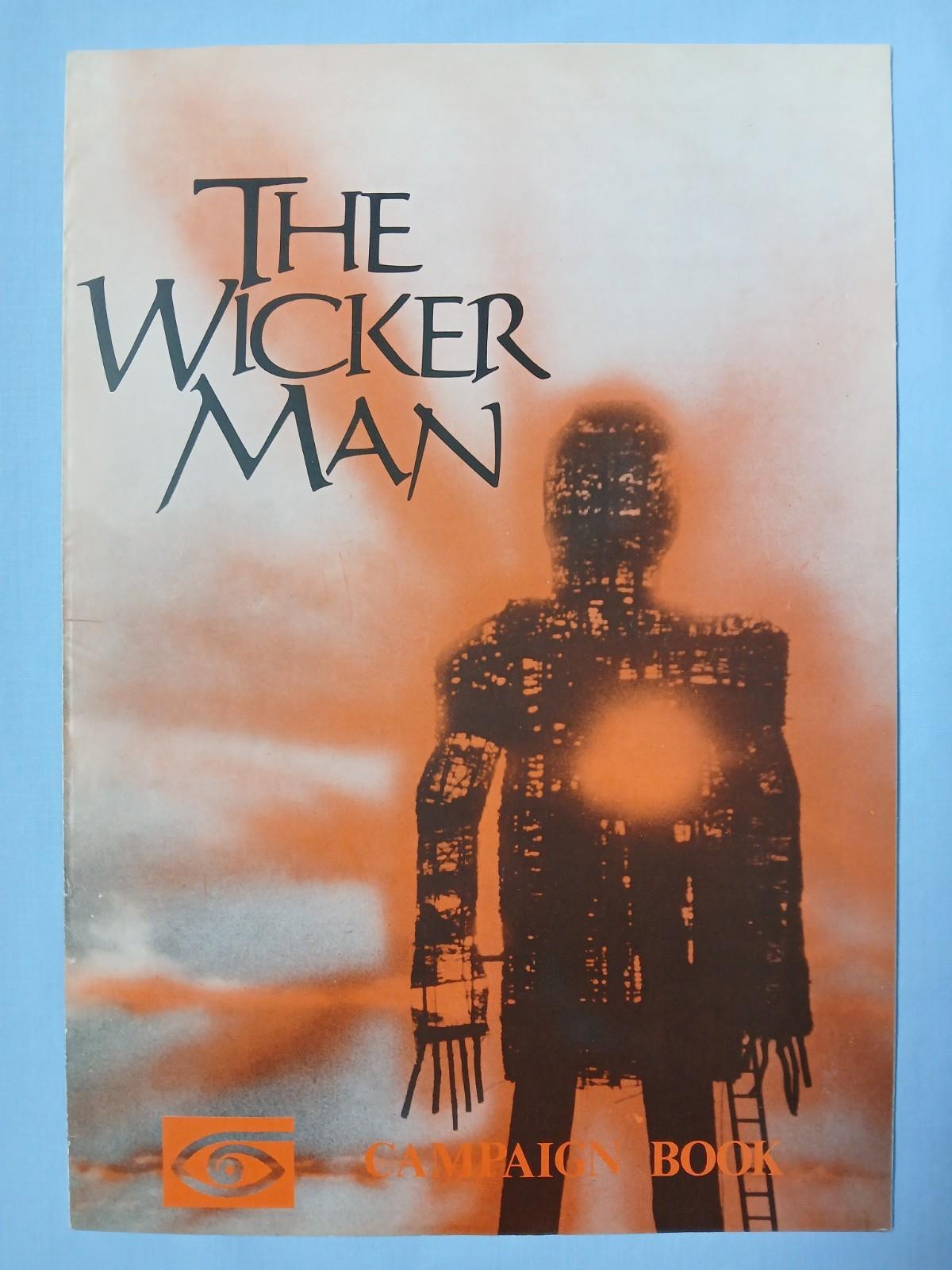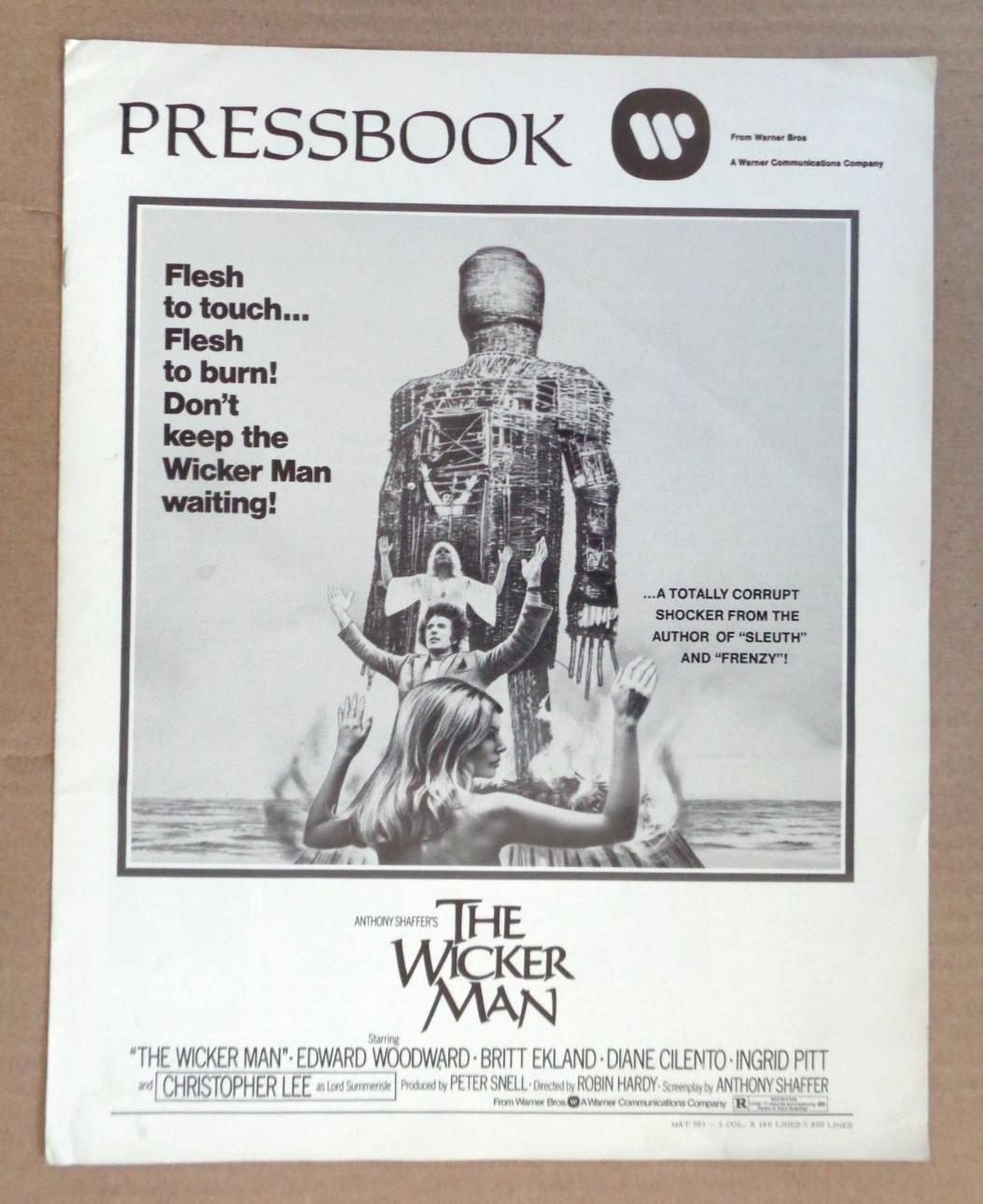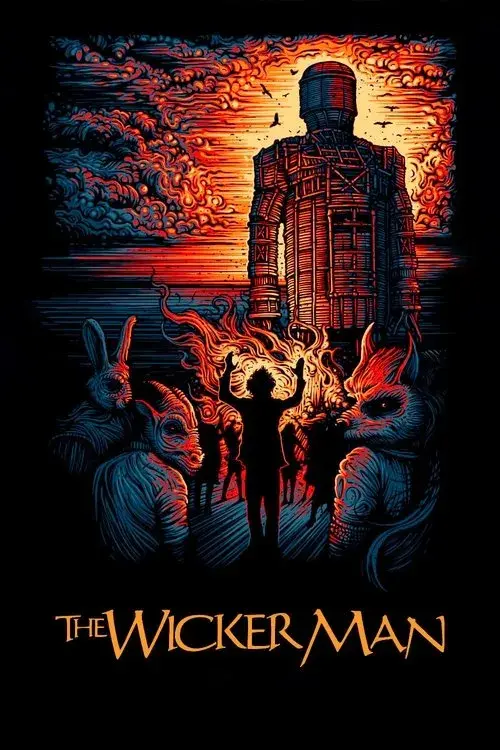
The Wicker Man
Robin Hardy
(1973)
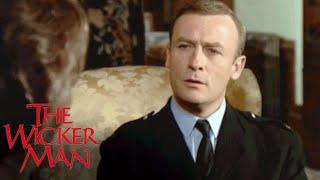
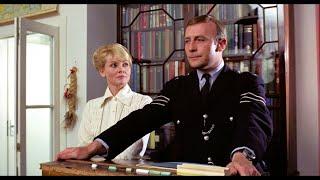
Police sergeant Neil Howie is called to an island village in search of a missing girl whom the locals claim never existed. The investigation is further complicated as Howie’s religious views clash with those of the island’s residents.
Cast


Crew
Overview and Horror Legacy
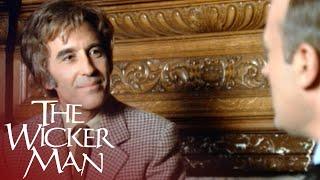
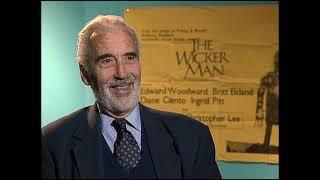
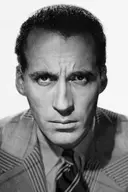
It is now universally regarded as a cornerstone of British folk horror and one of the most distinctive and accomplished British films of the 1970s, celebrated for its intelligence, its formal originality, its memorable performances, and the quiet devastation of its ending. Christopher Lee, who plays Lord Summerisle with magnetic authority, consistently cited the role as his personal favorite among his extensive filmography and campaigned actively for the film's preservation and wider recognition throughout his life.
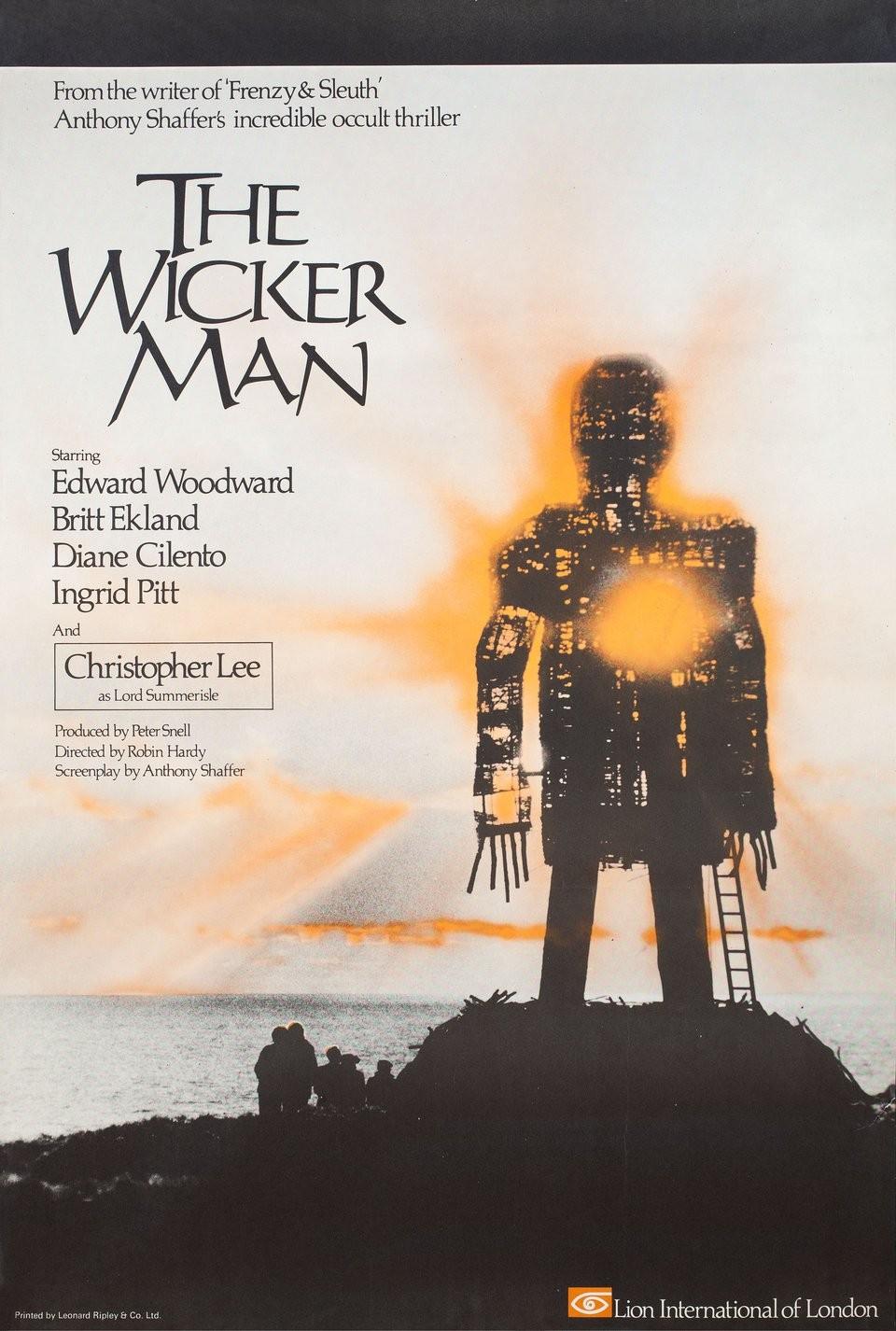
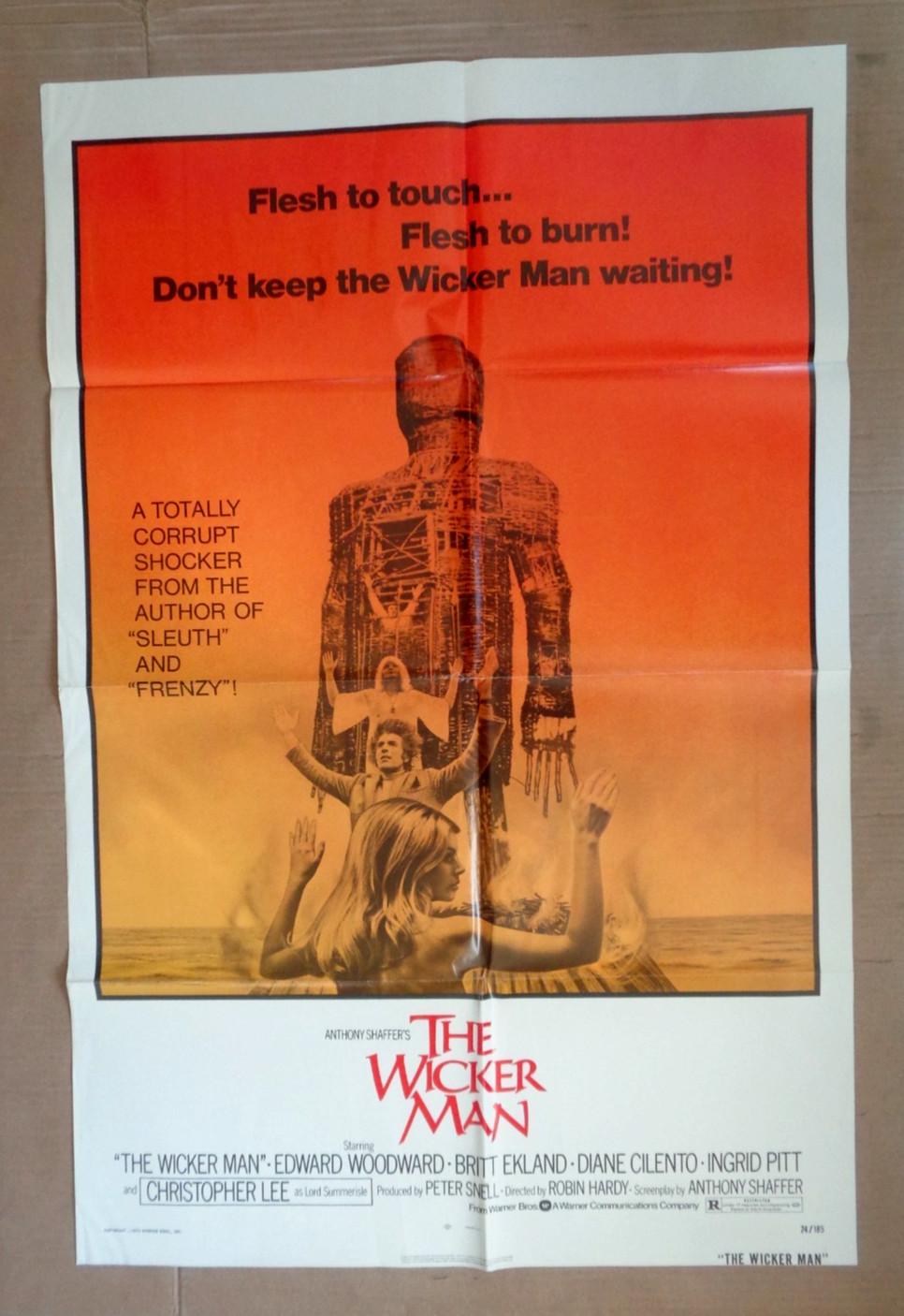
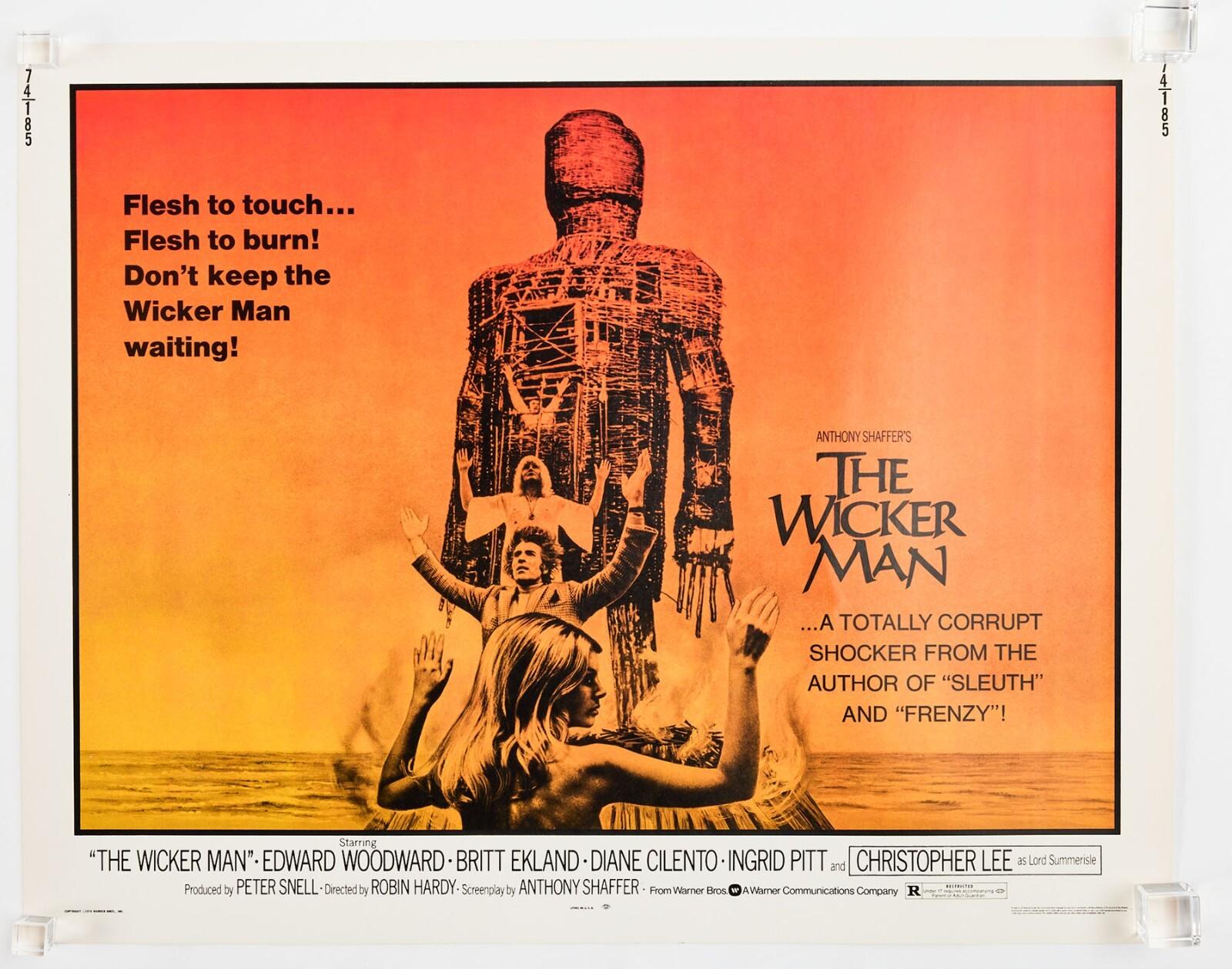
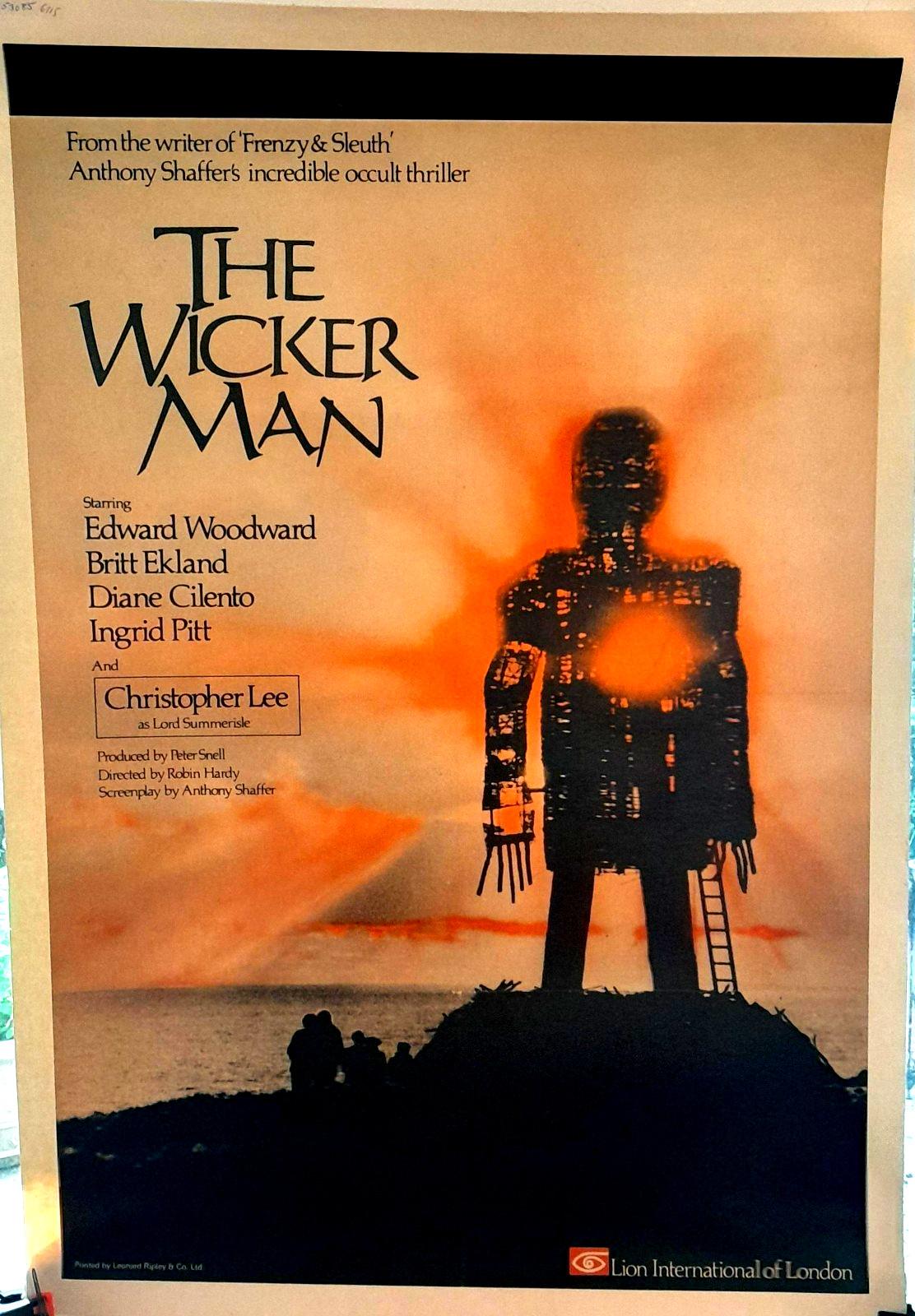
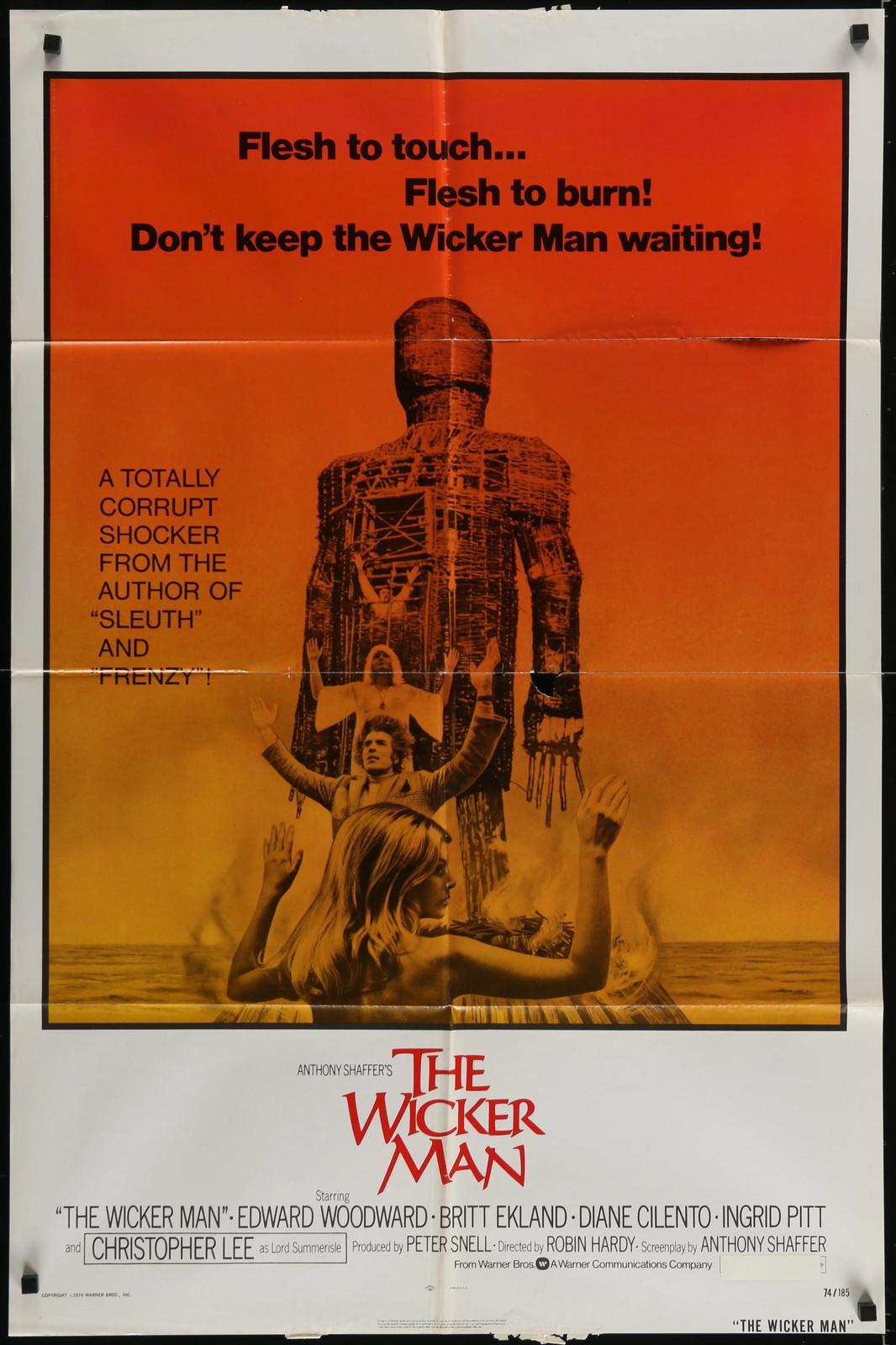
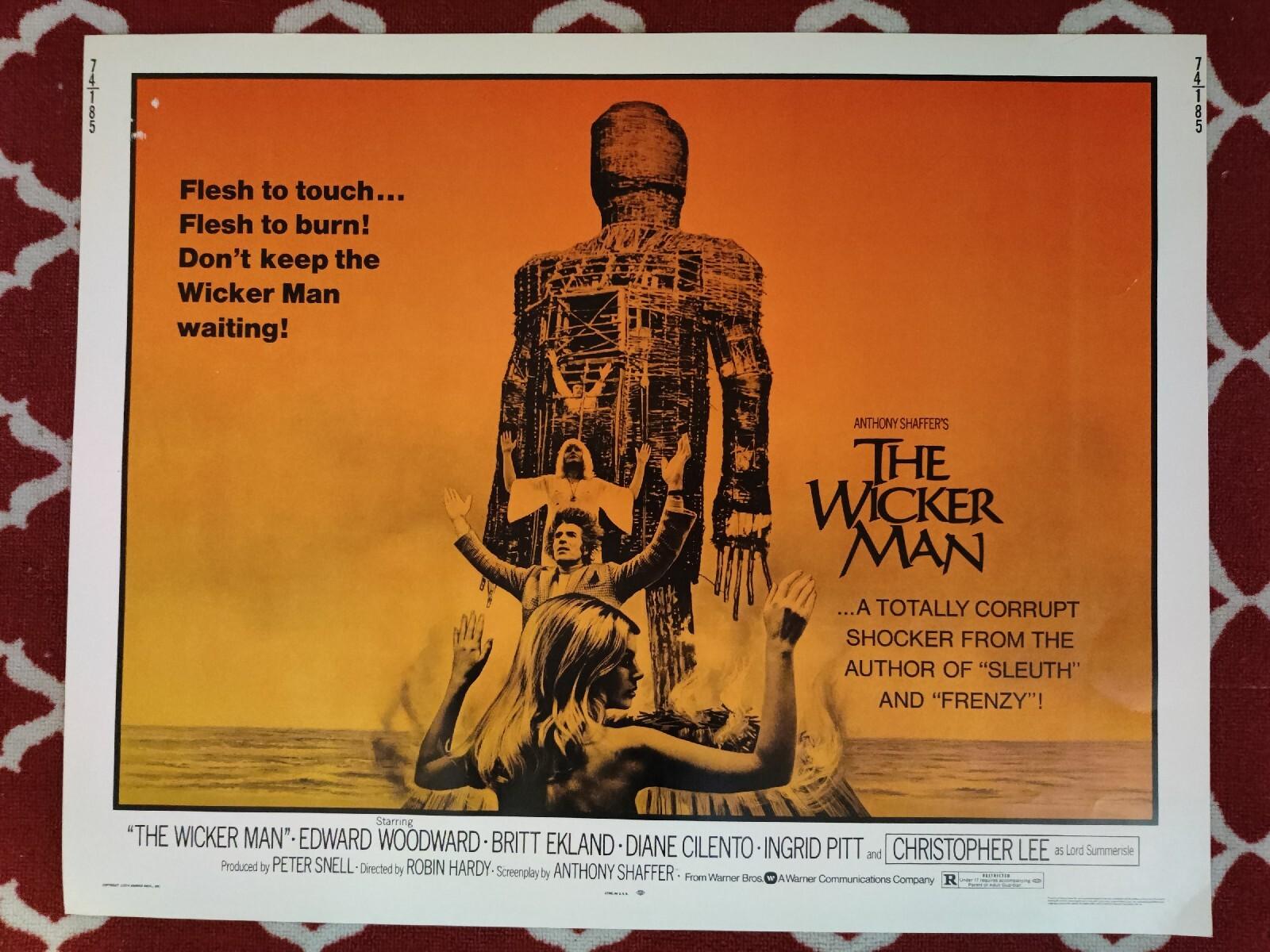
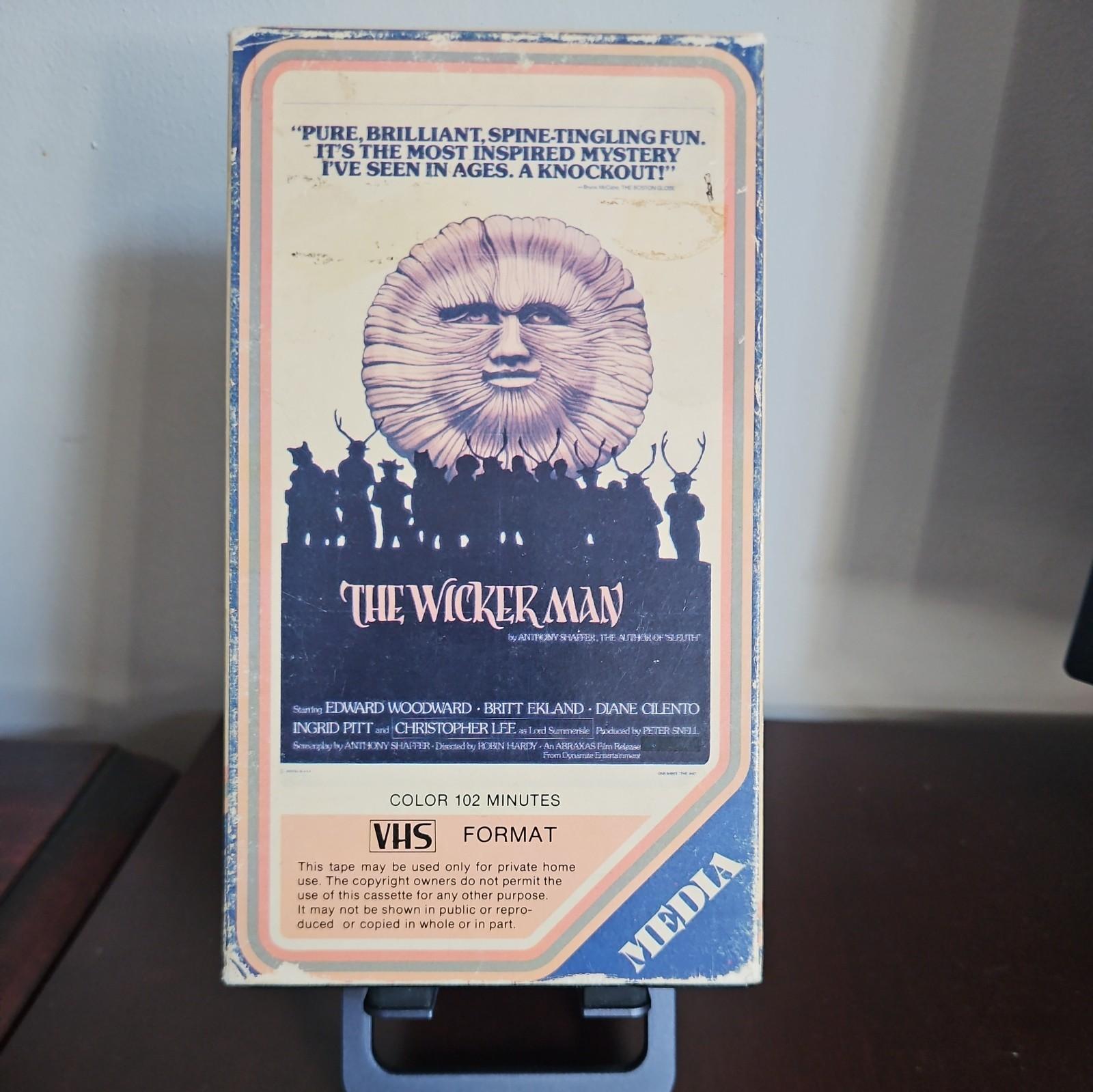
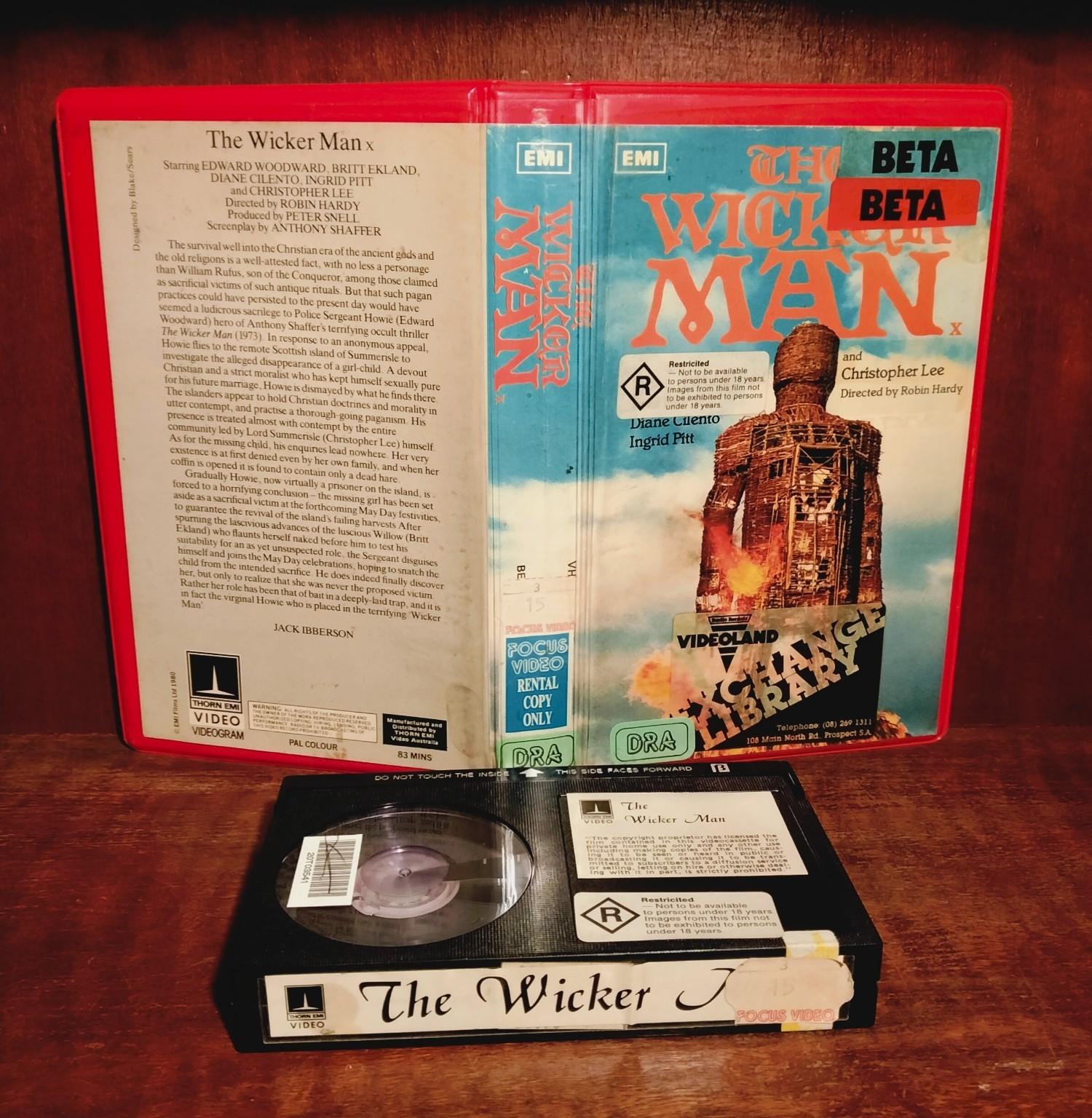
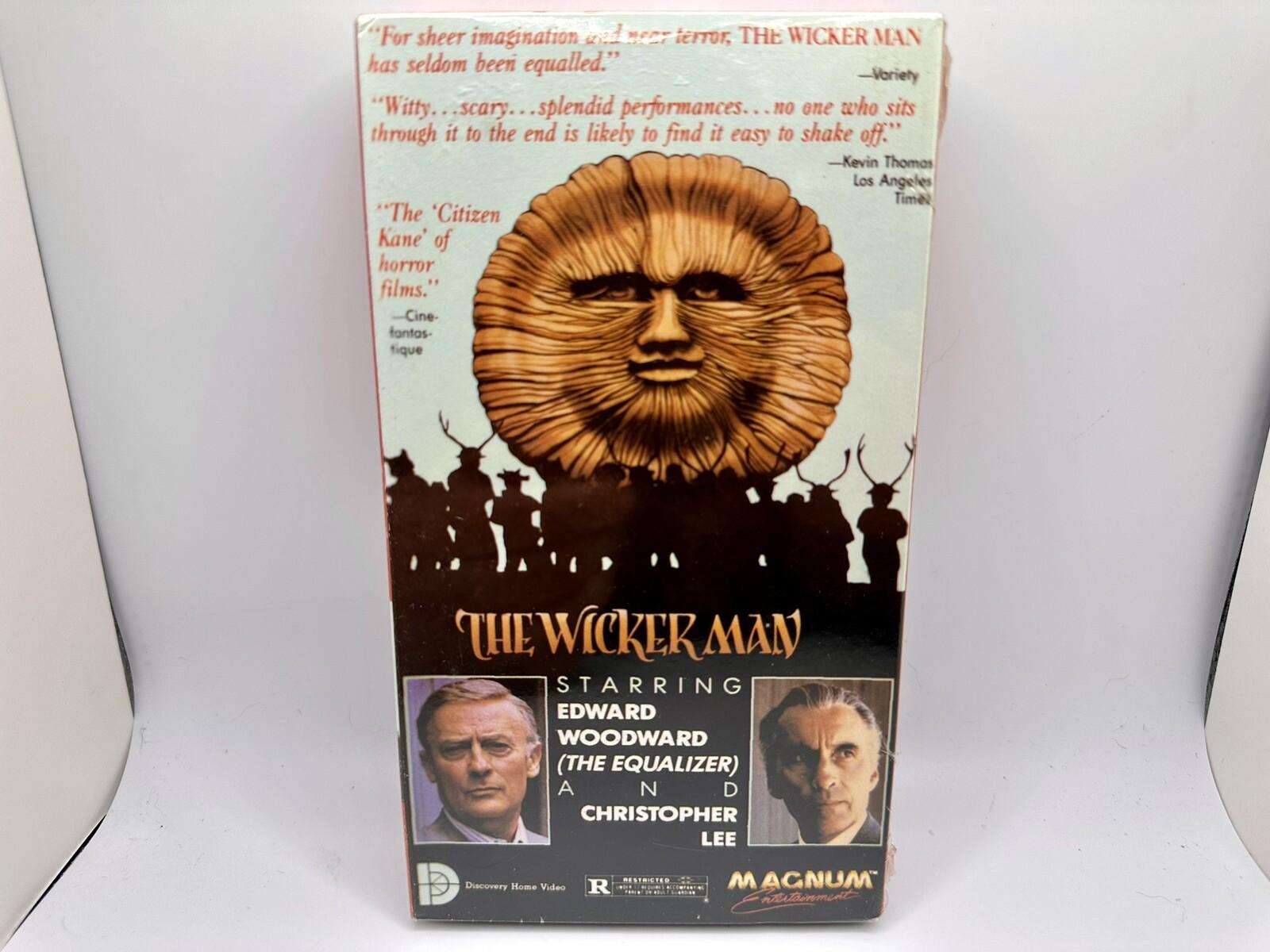
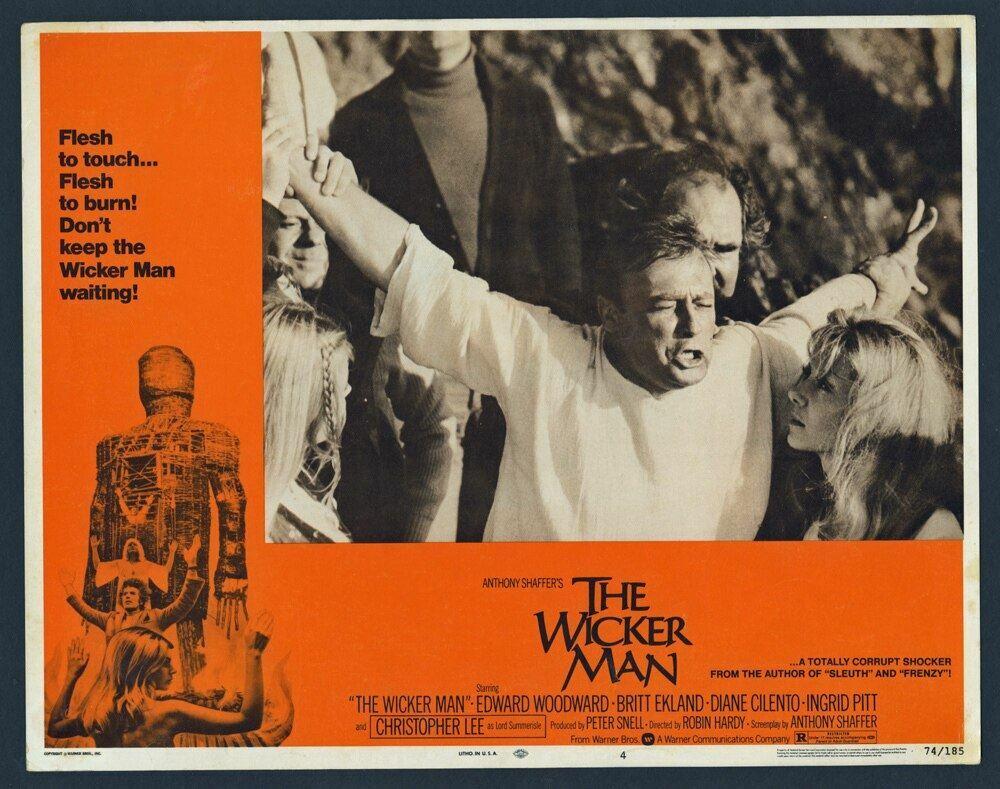
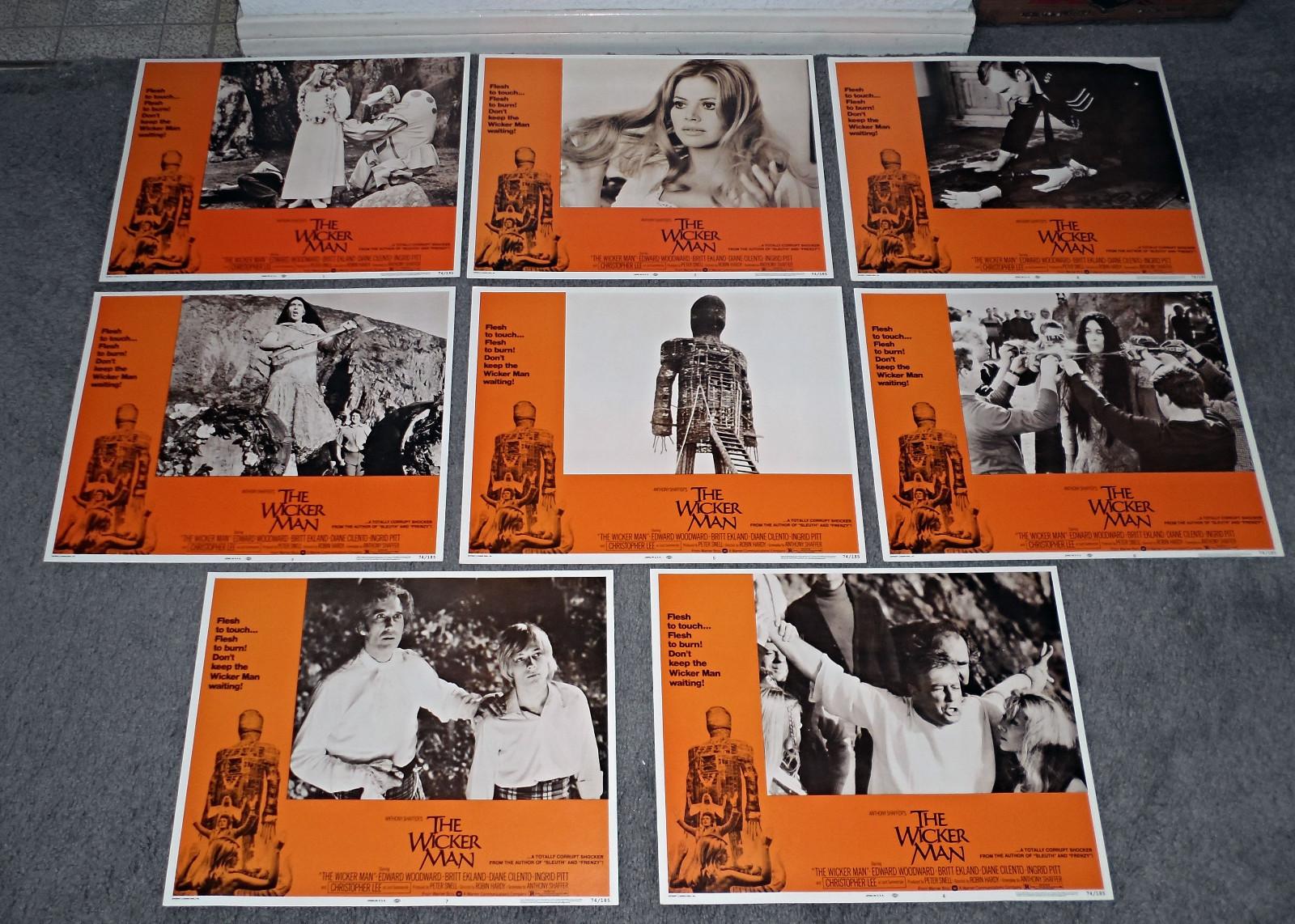
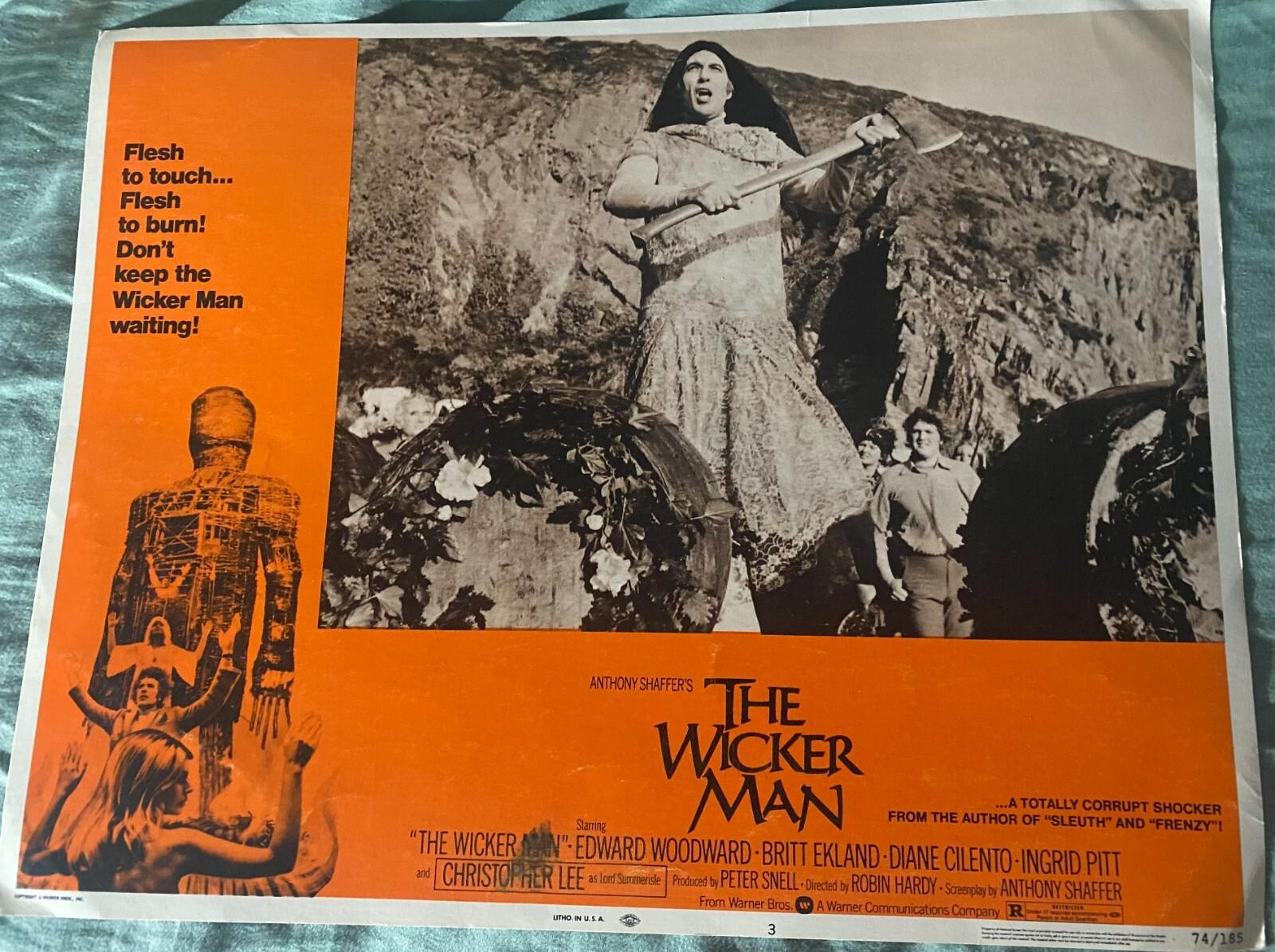
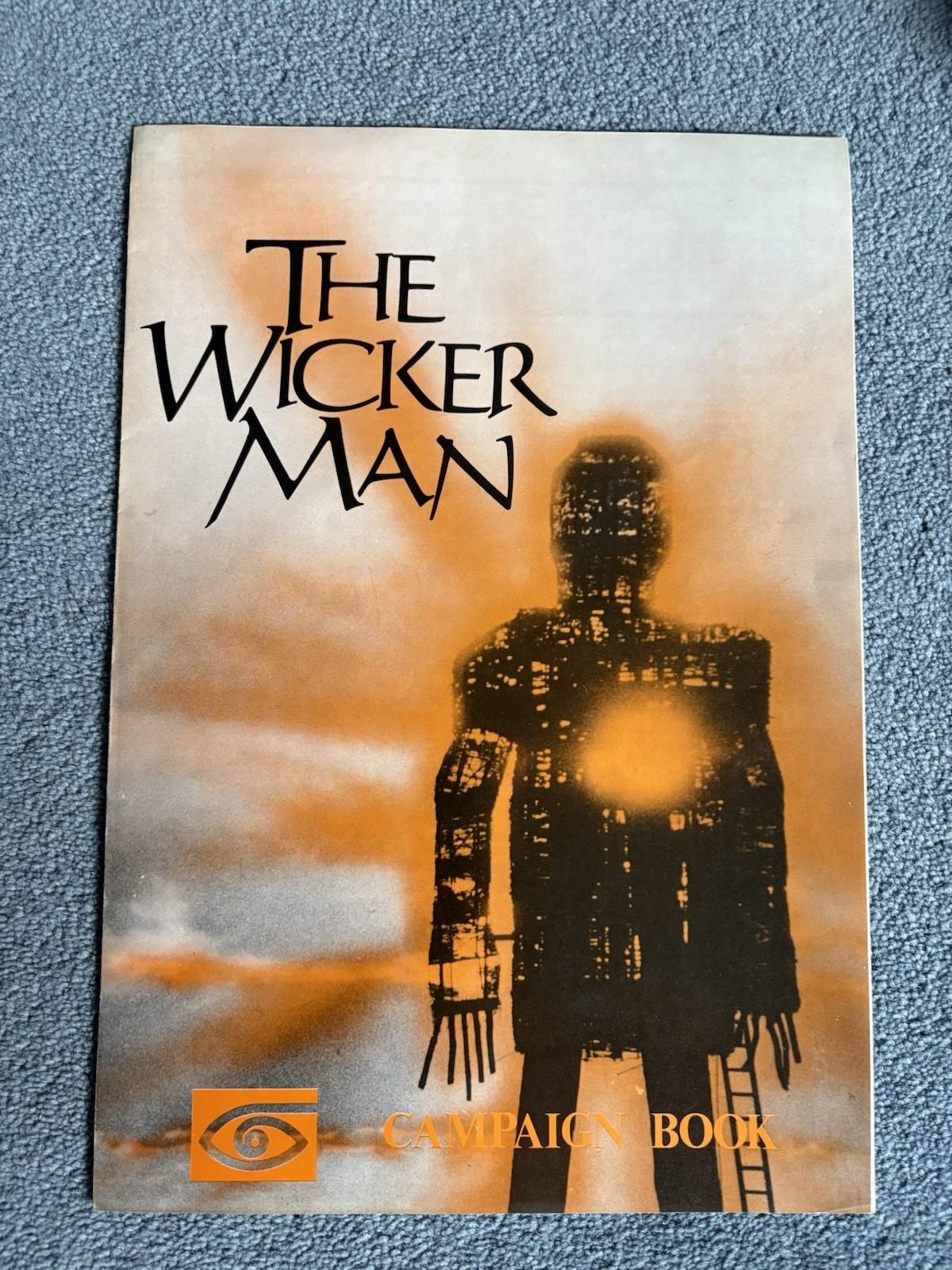
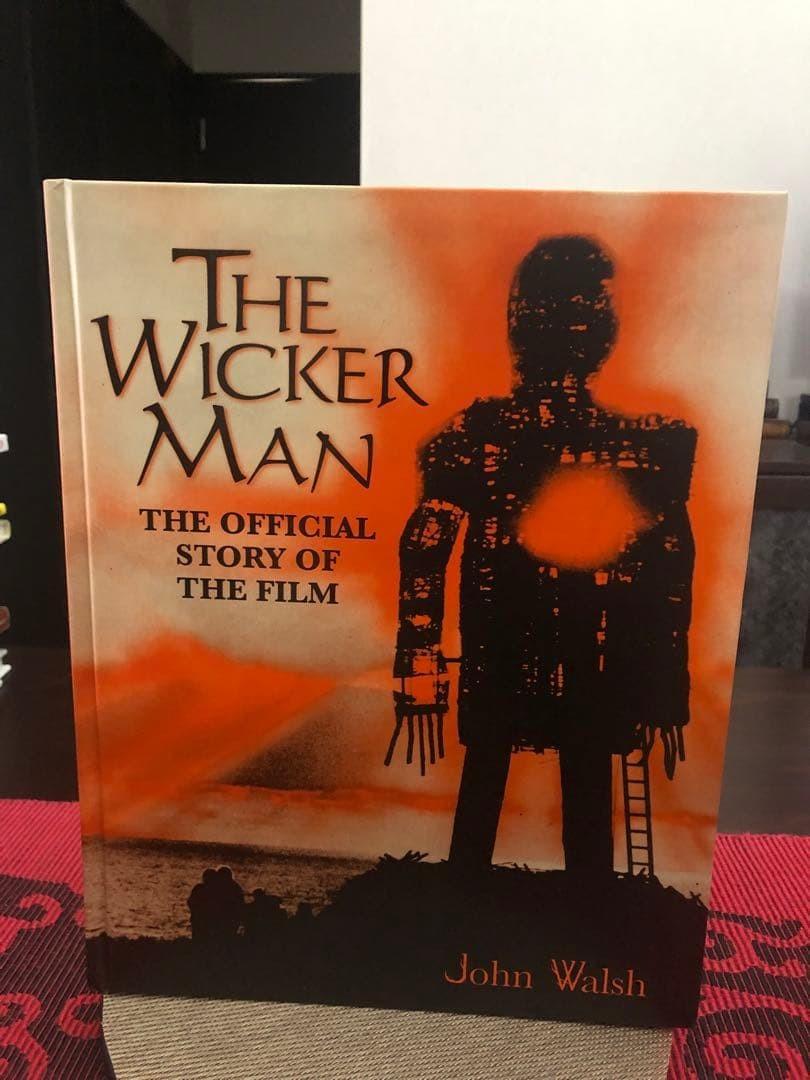
Collector Market and Memorabilia
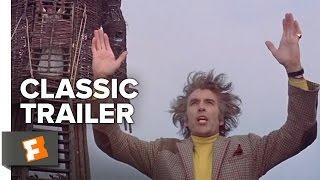
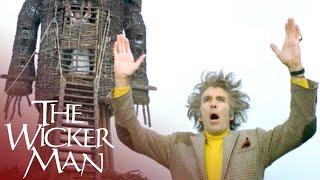
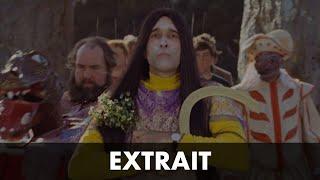
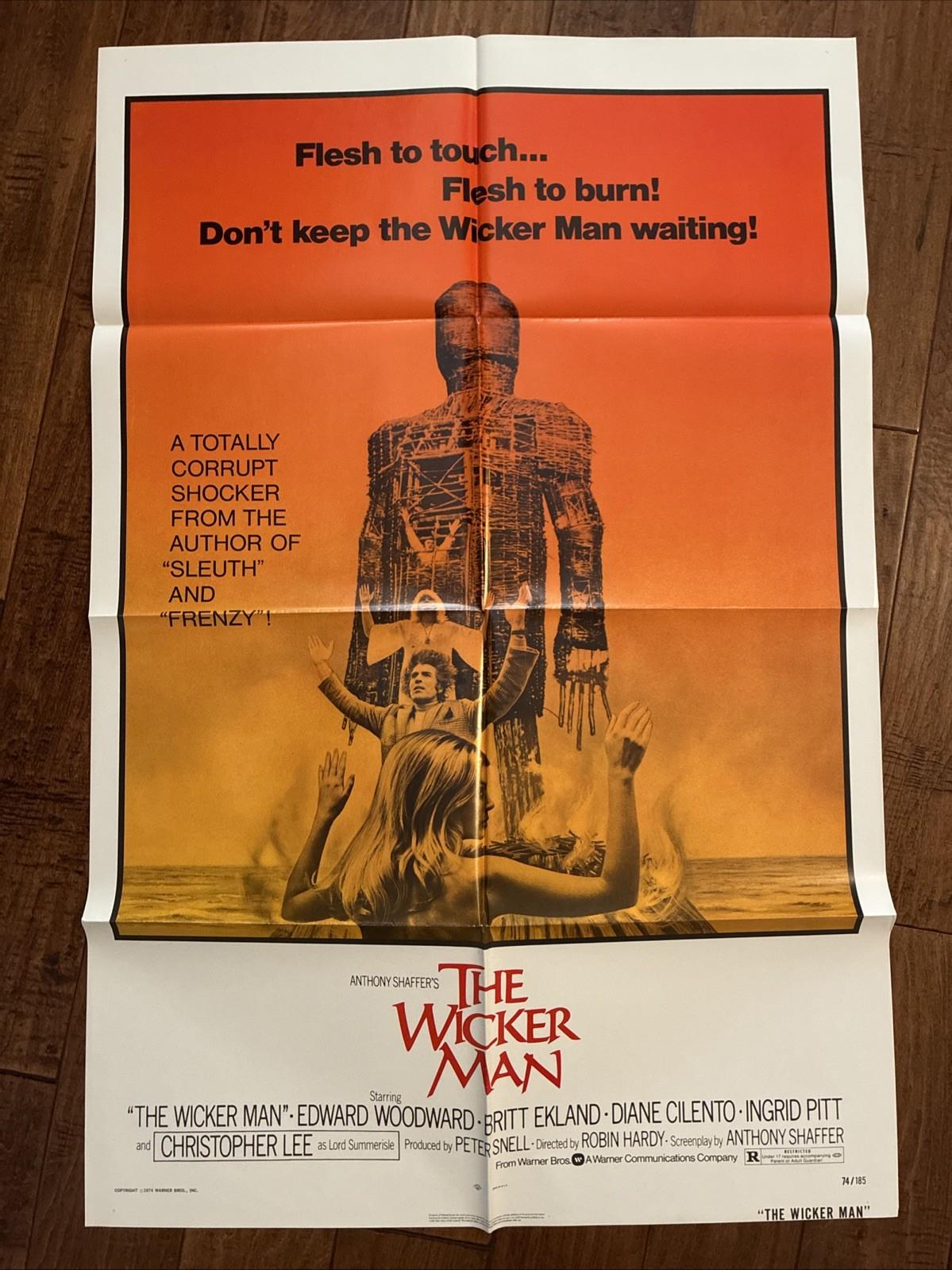
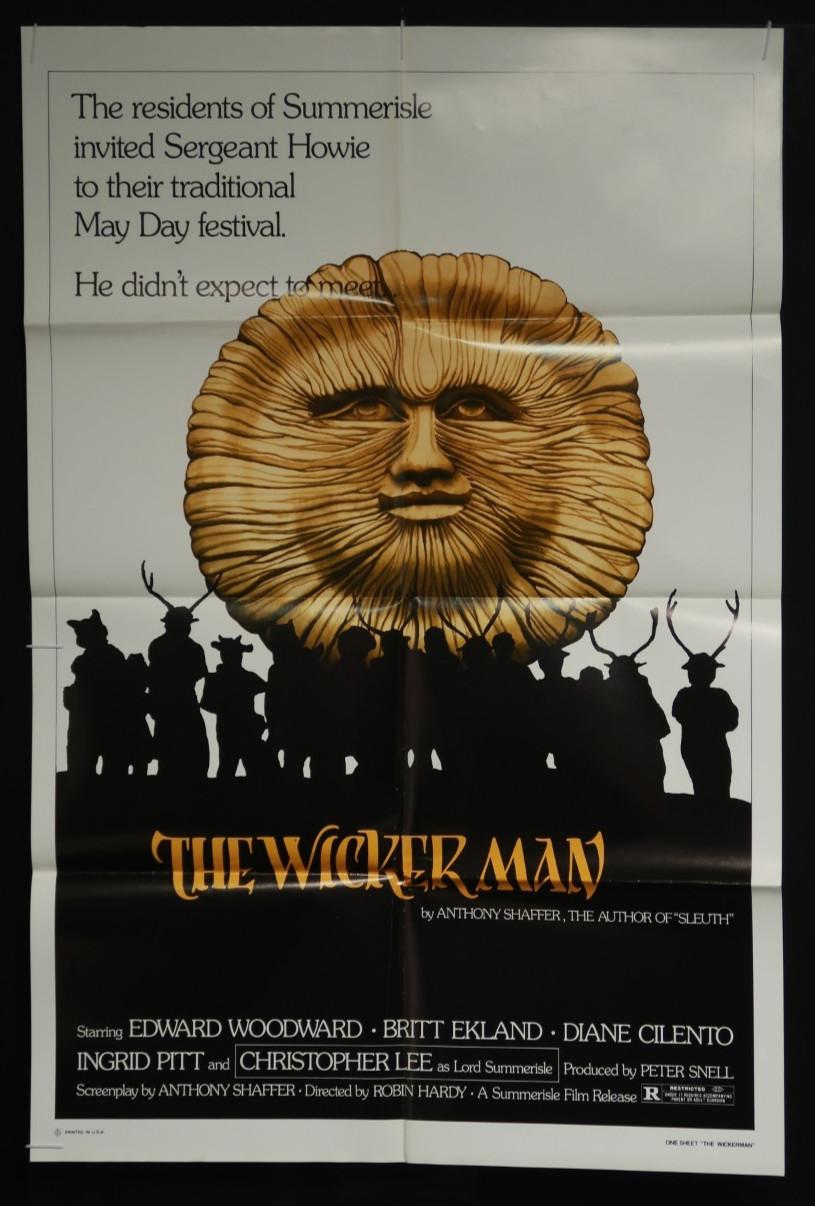
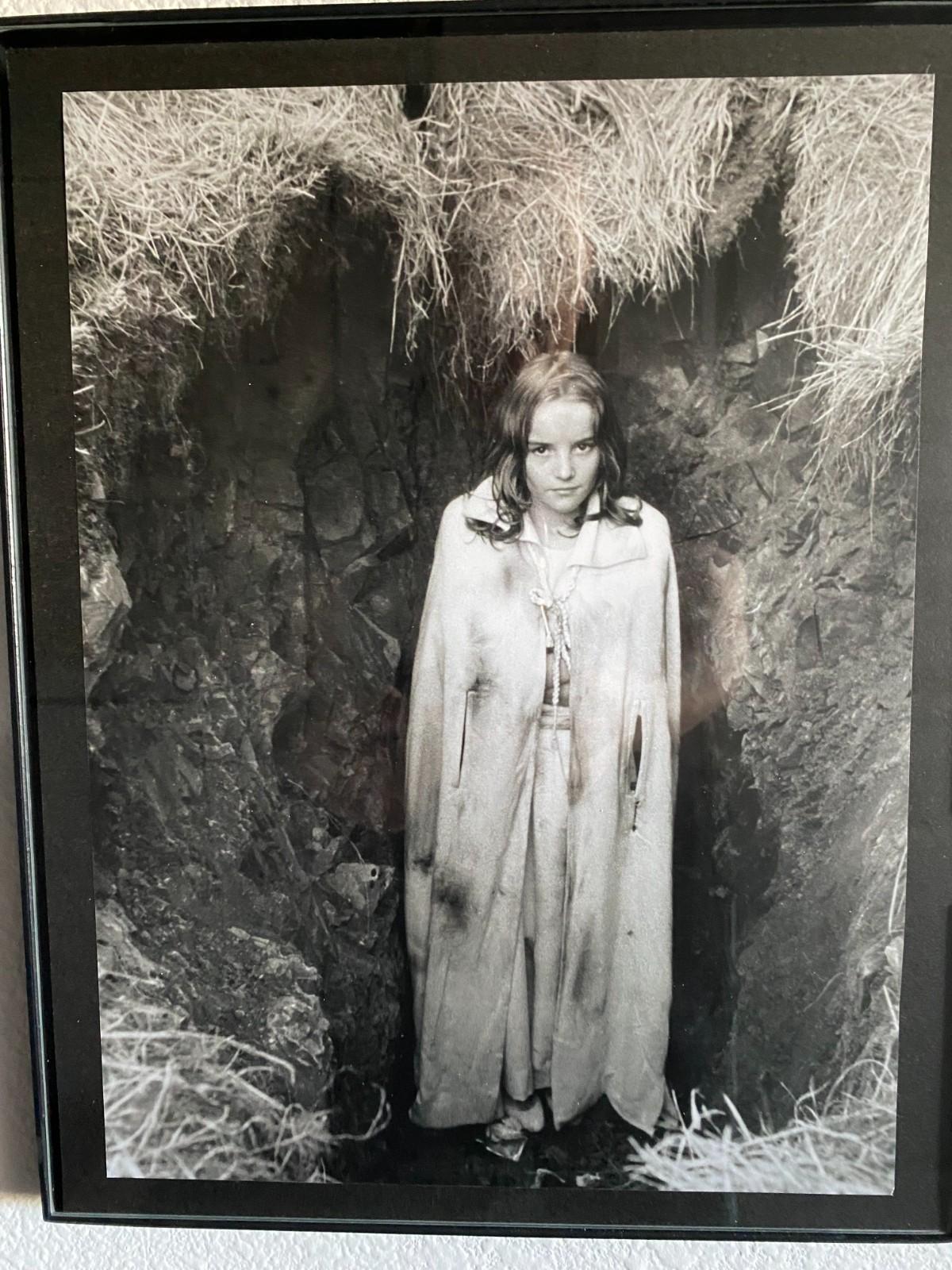
The pagan iconography, Woodward's doomed policeman, Lee's Lord Summerisle, and the extraordinary final image make The Wicker Man unlike any other horror film. It feels made from inside the belief system it depicts — a quality no other folk horror film fully replicates.
Cult Status
Directed by Robin Hardy and written by Anthony Shaffer, The Wicker Man was a British production shot on location in southwest Scotland, primarily in Dumfries and Galloway, in the autumn of 1972. The Wicker Man had a troubled initial release, cut and distributed poorly by British Lion Films, and received limited critical attention at the time.