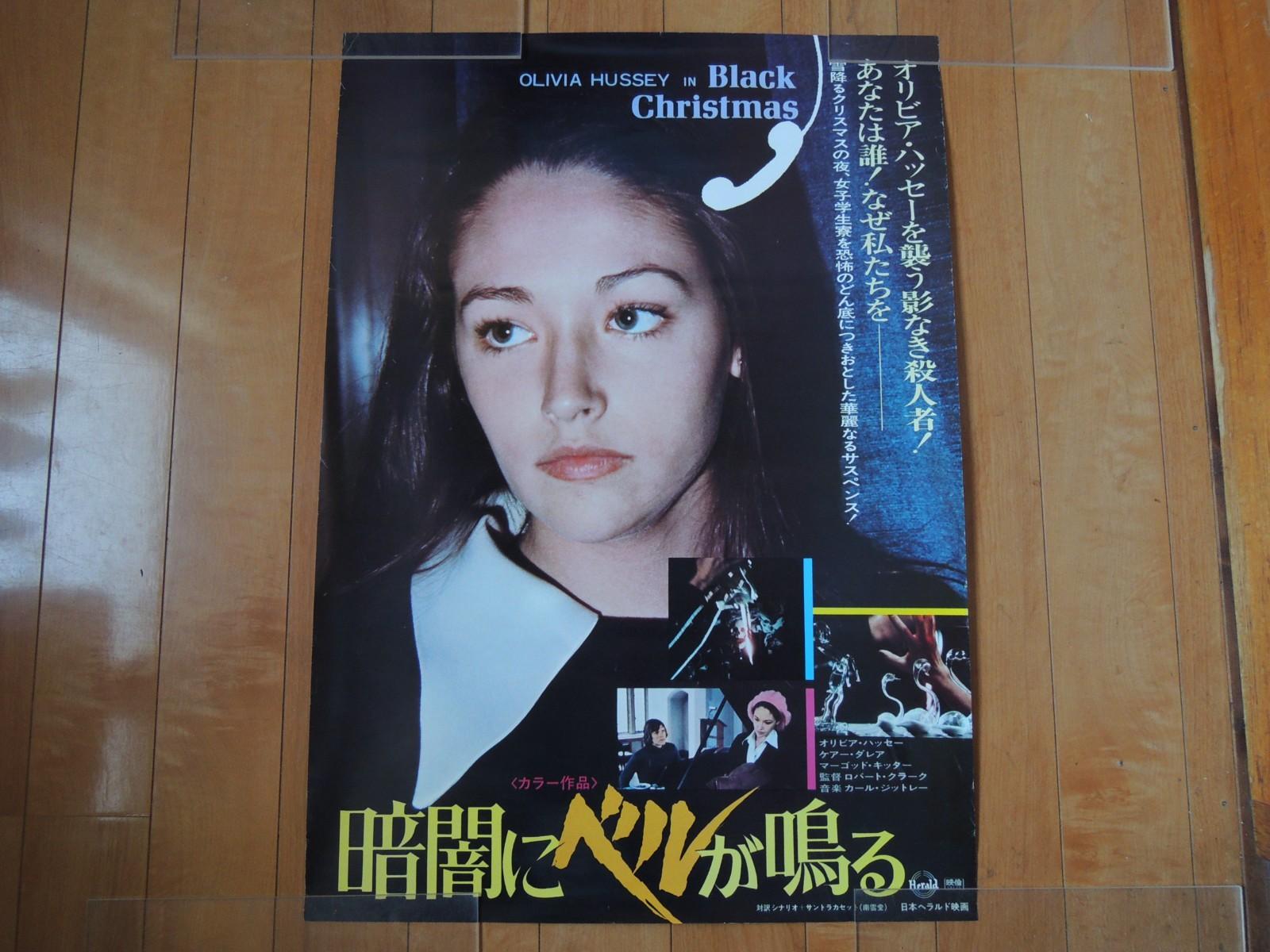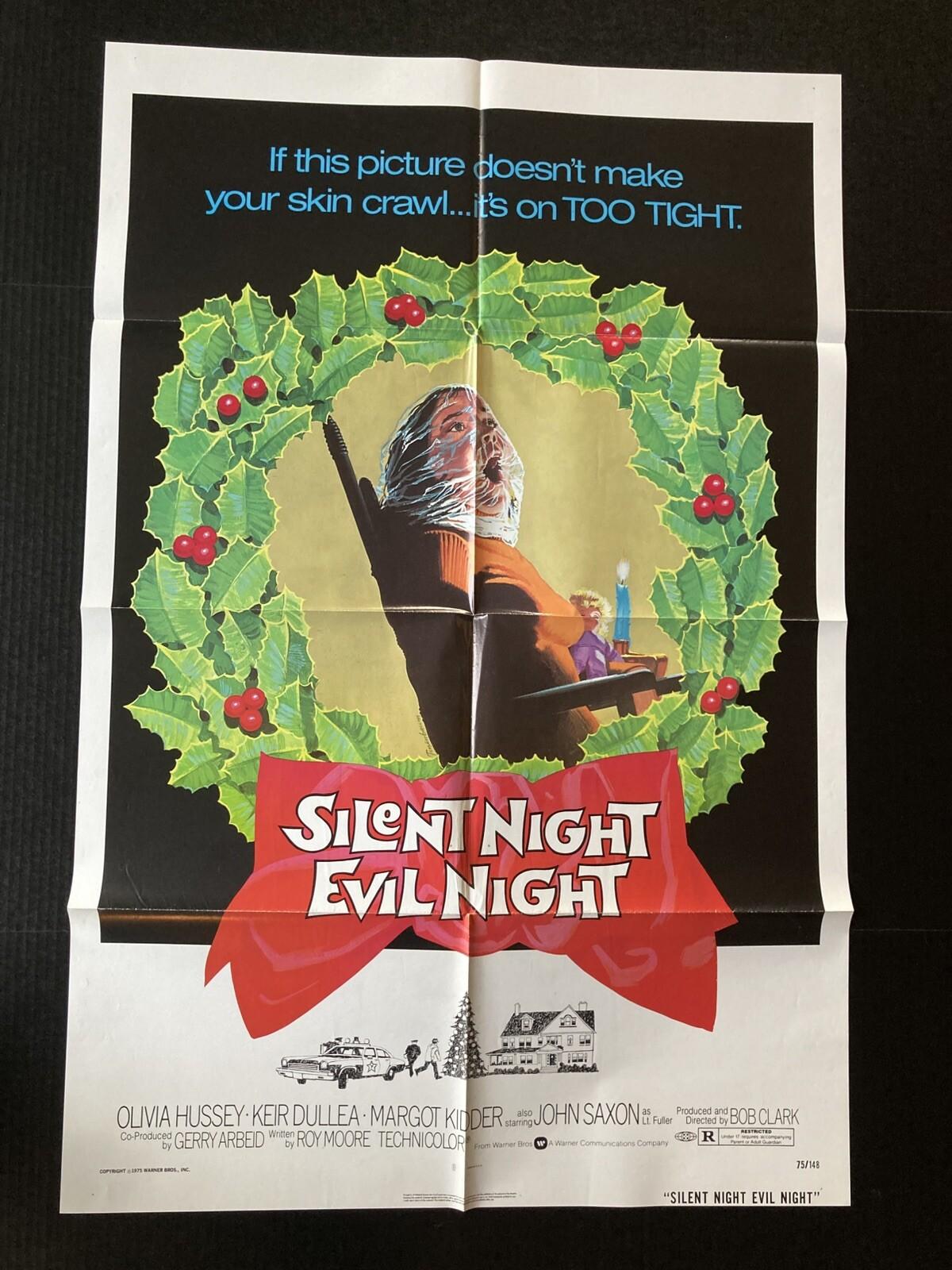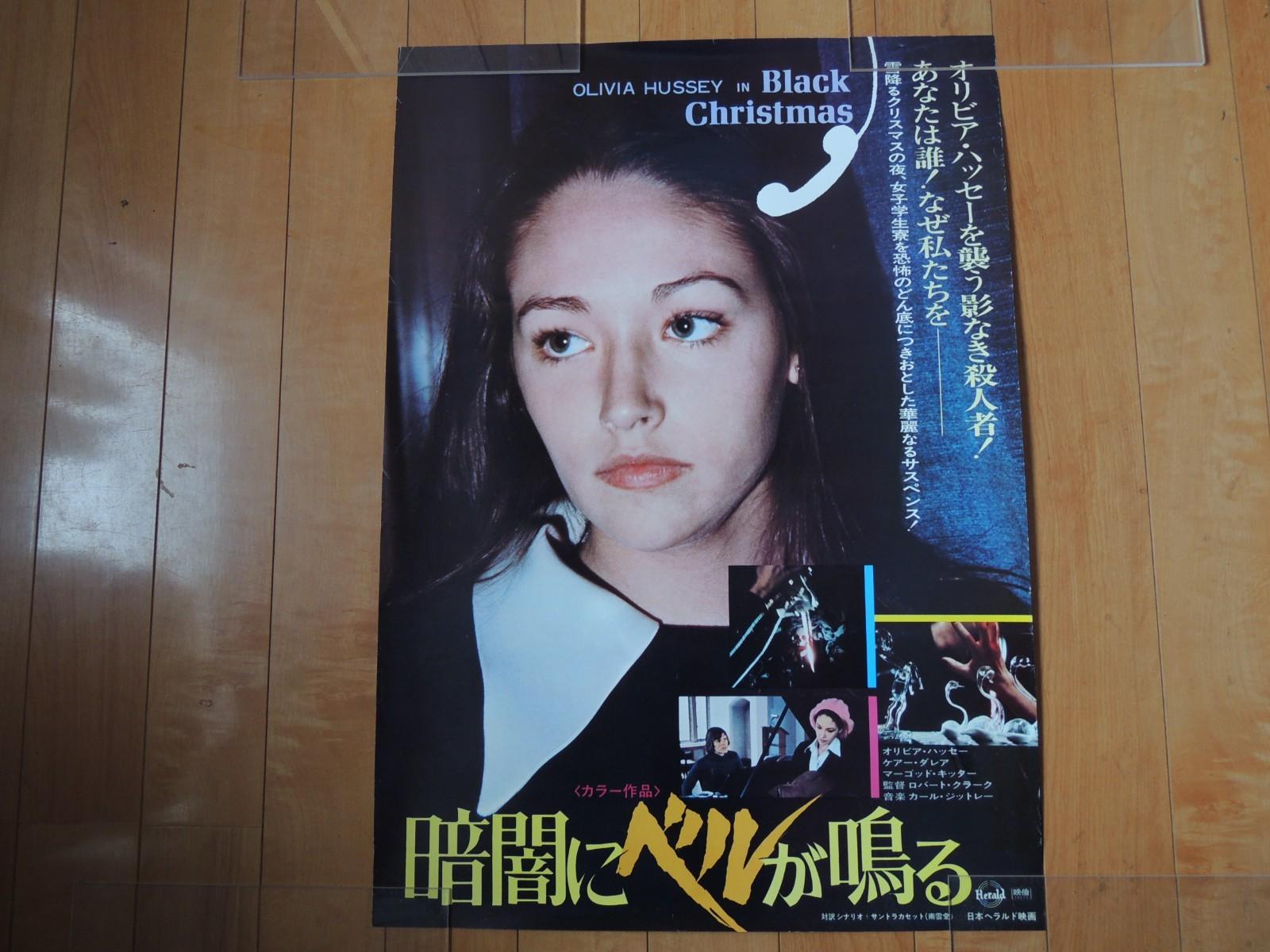
Black Christmas
Bob Clark
(1974)
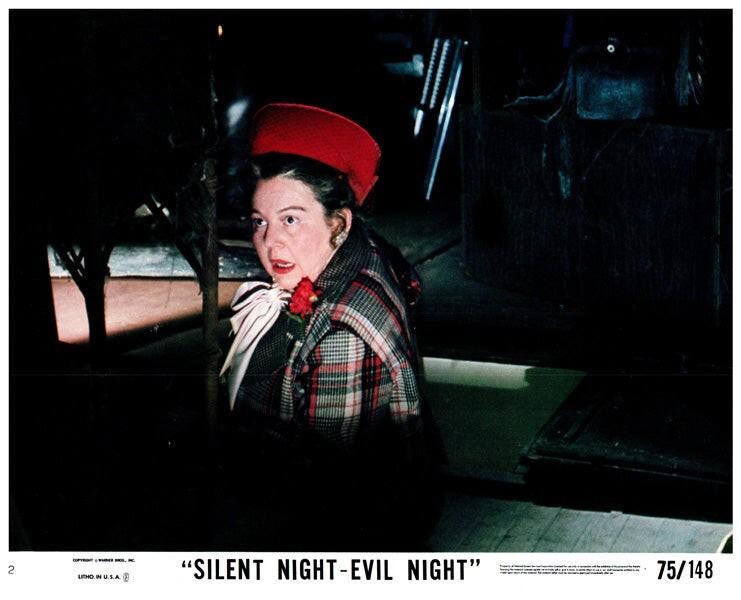
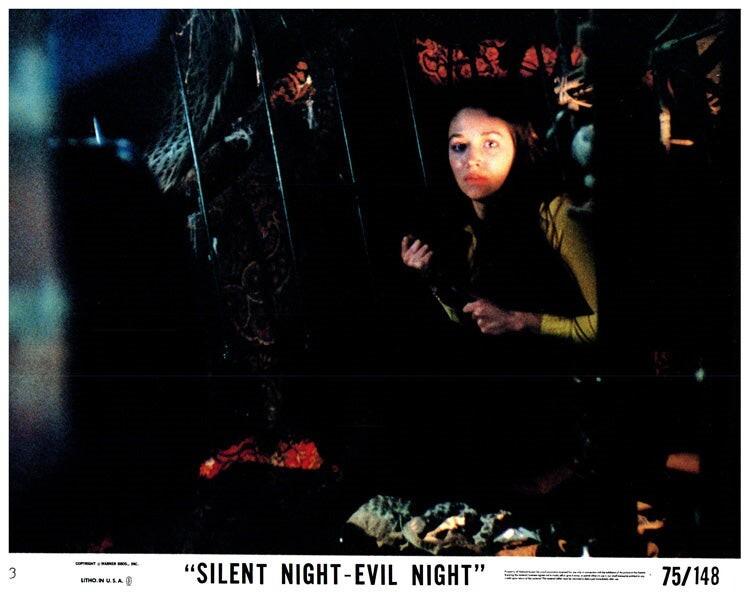
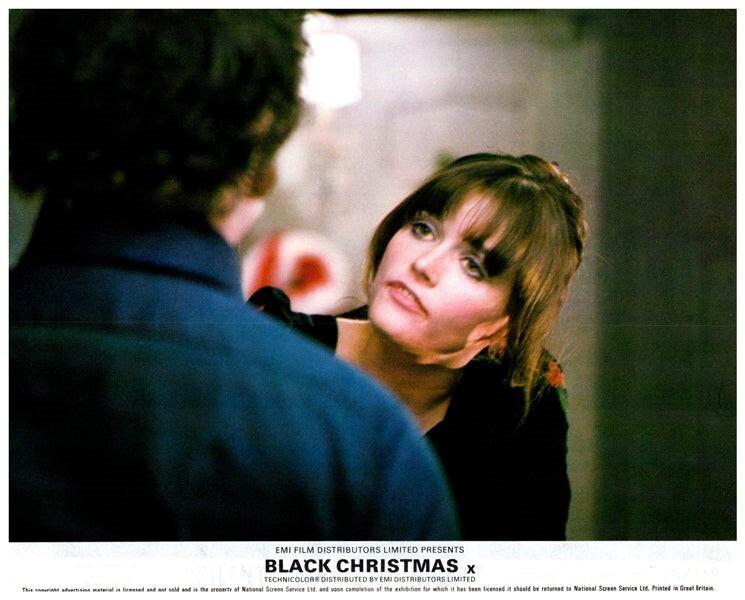
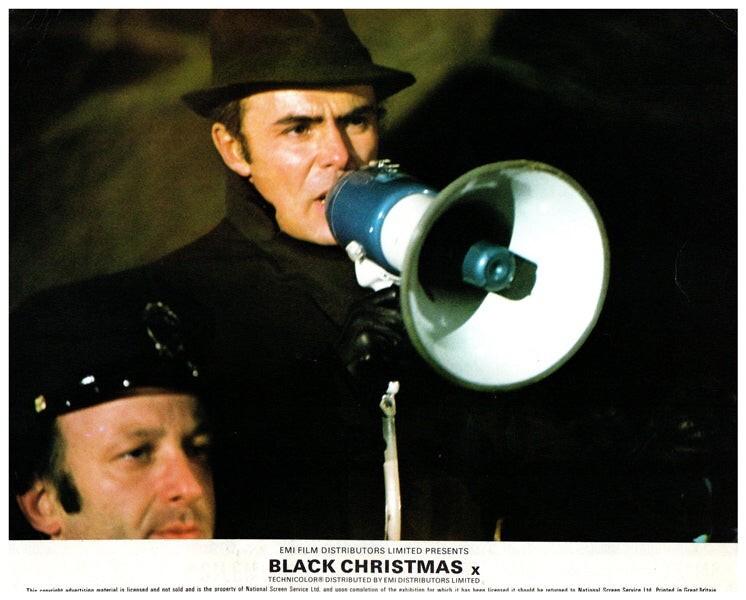
As the residents of the Pi Kappa Sigma sorority house prepare for the festive season, a stranger begins to harass them with a series of obscene phone calls.
Cast





Crew
Overview and Horror Legacy
Its reputation has grown substantially over subsequent decades as horror historians and critics have traced the formal and narrative DNA of the slasher genre back to its innovations, and it is now recognized as a landmark of Canadian cinema and a foundational work of the horror genre, consistently cited alongside Halloween and Friday the 13th in discussions of the slasher form's origins.
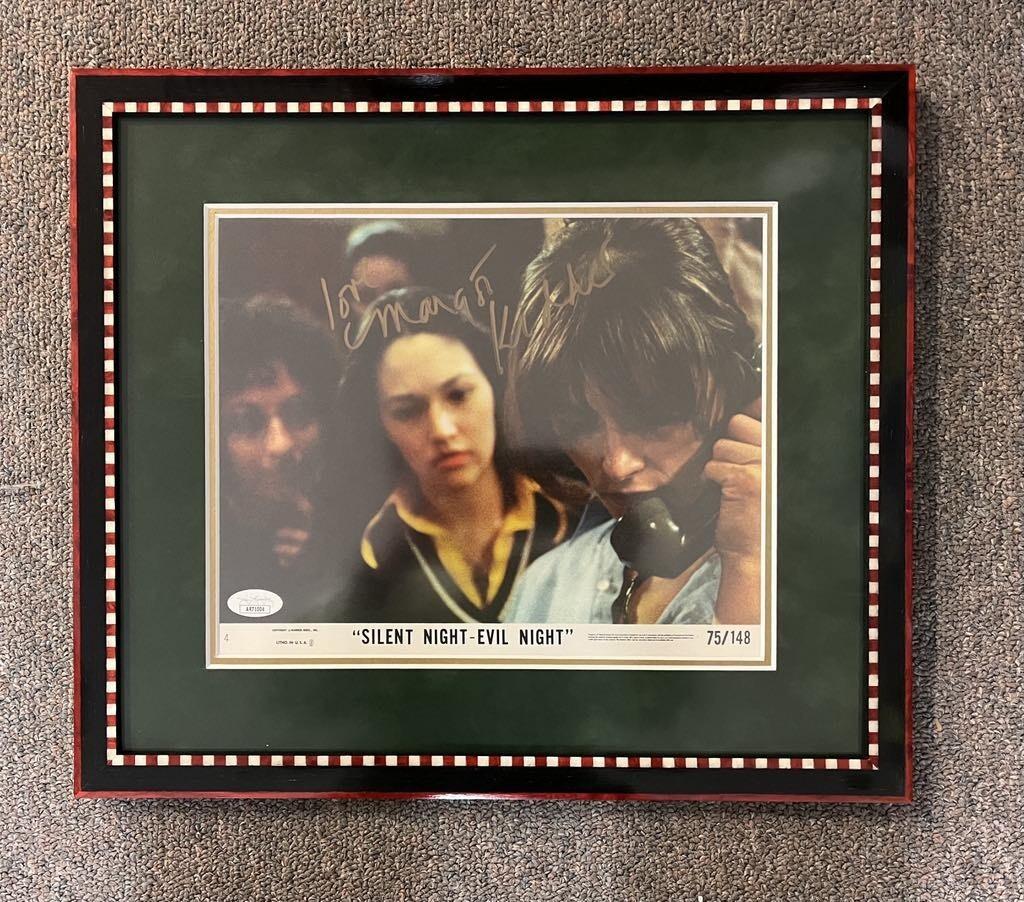
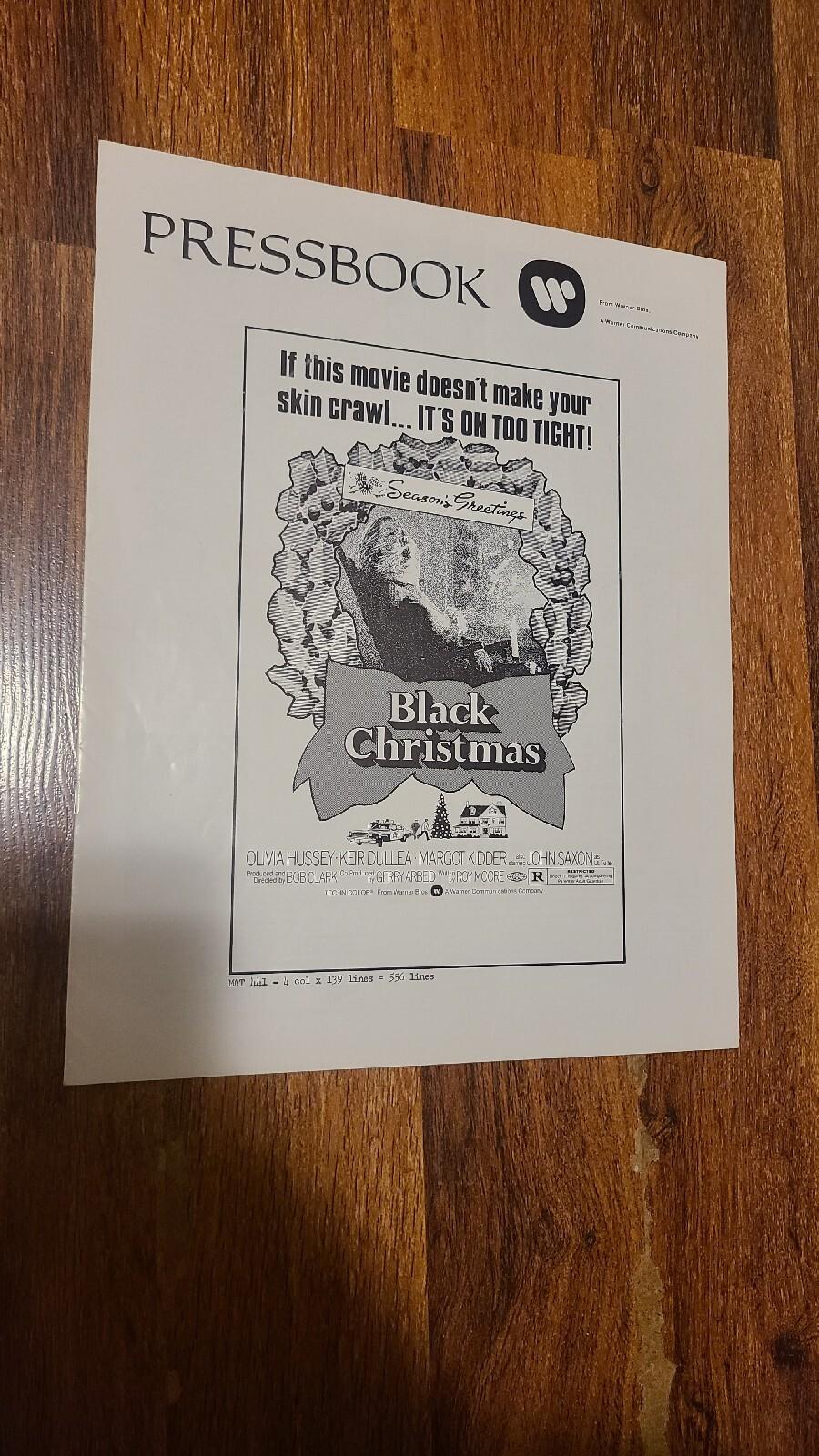
Collector Market and Memorabilia
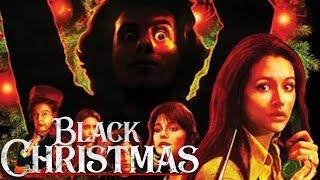
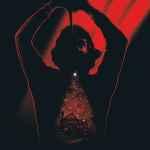
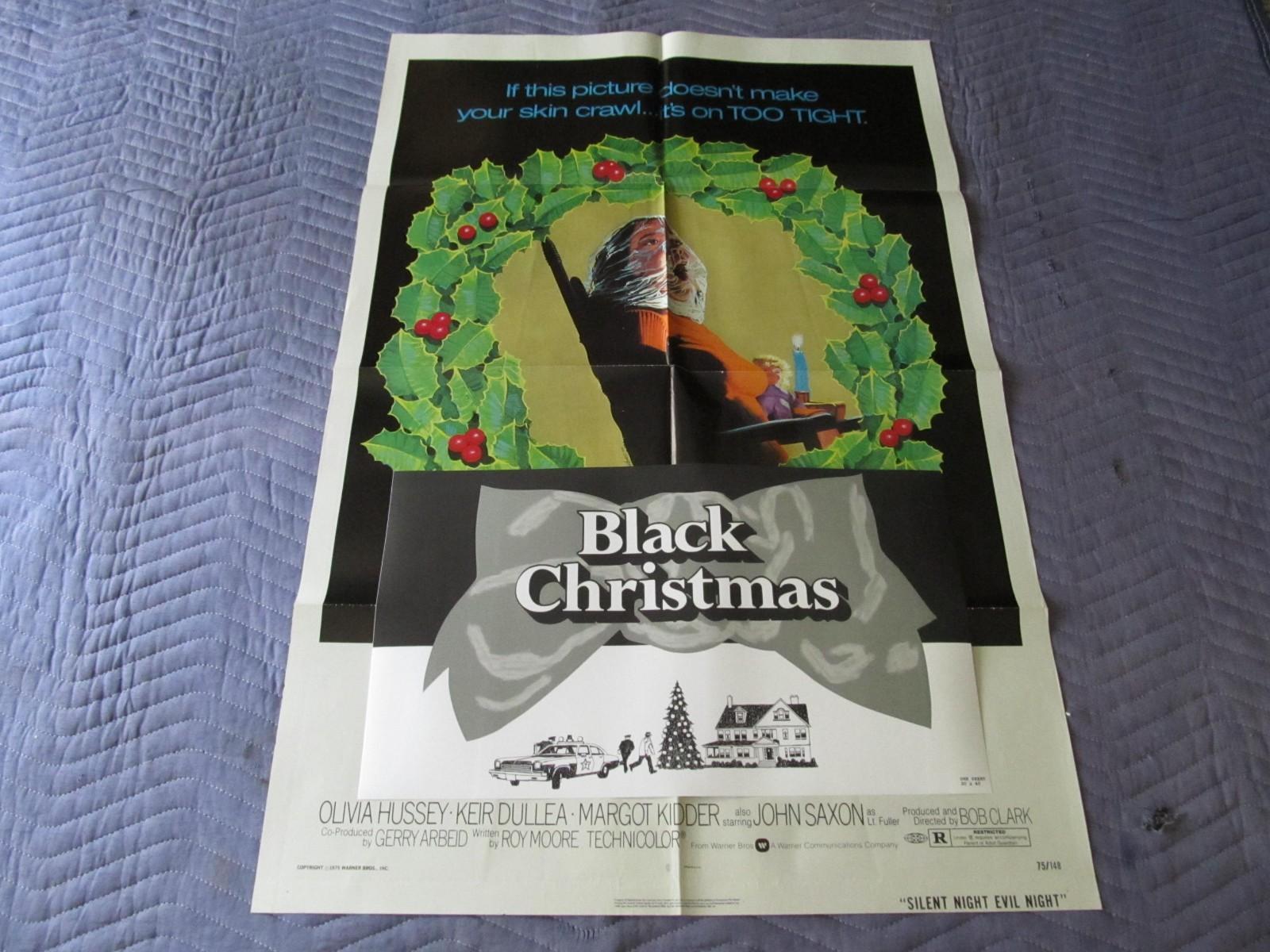
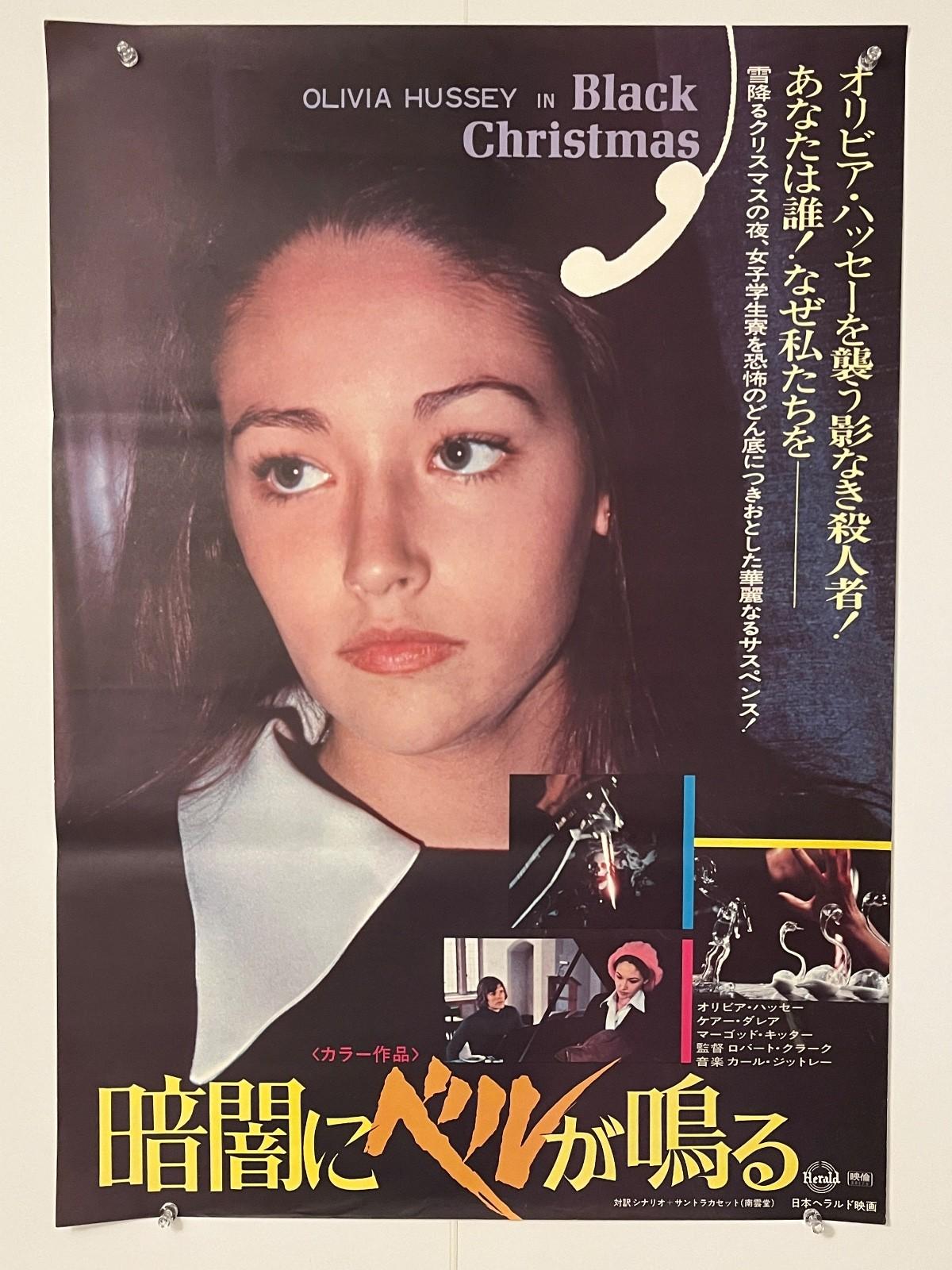
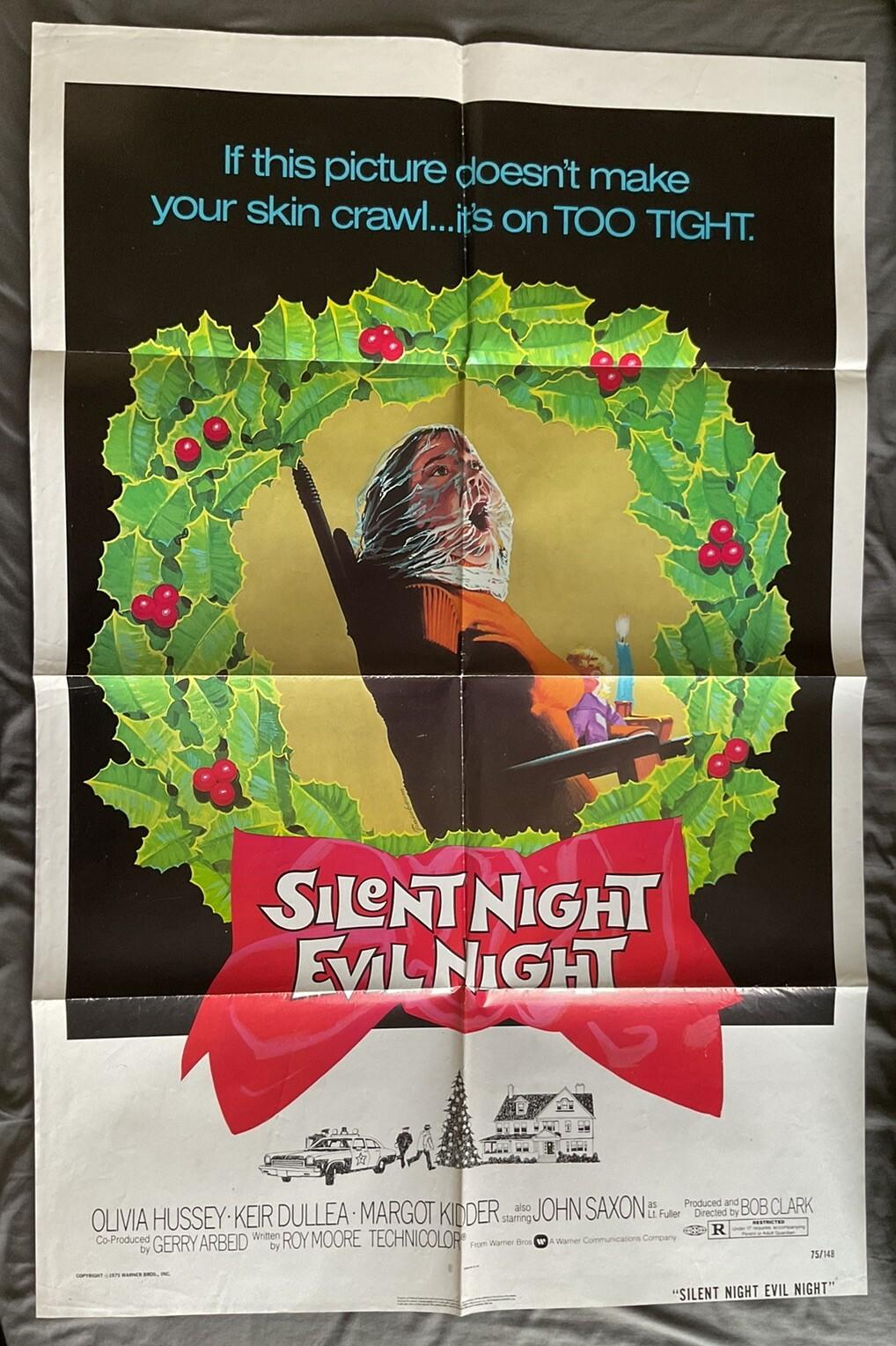
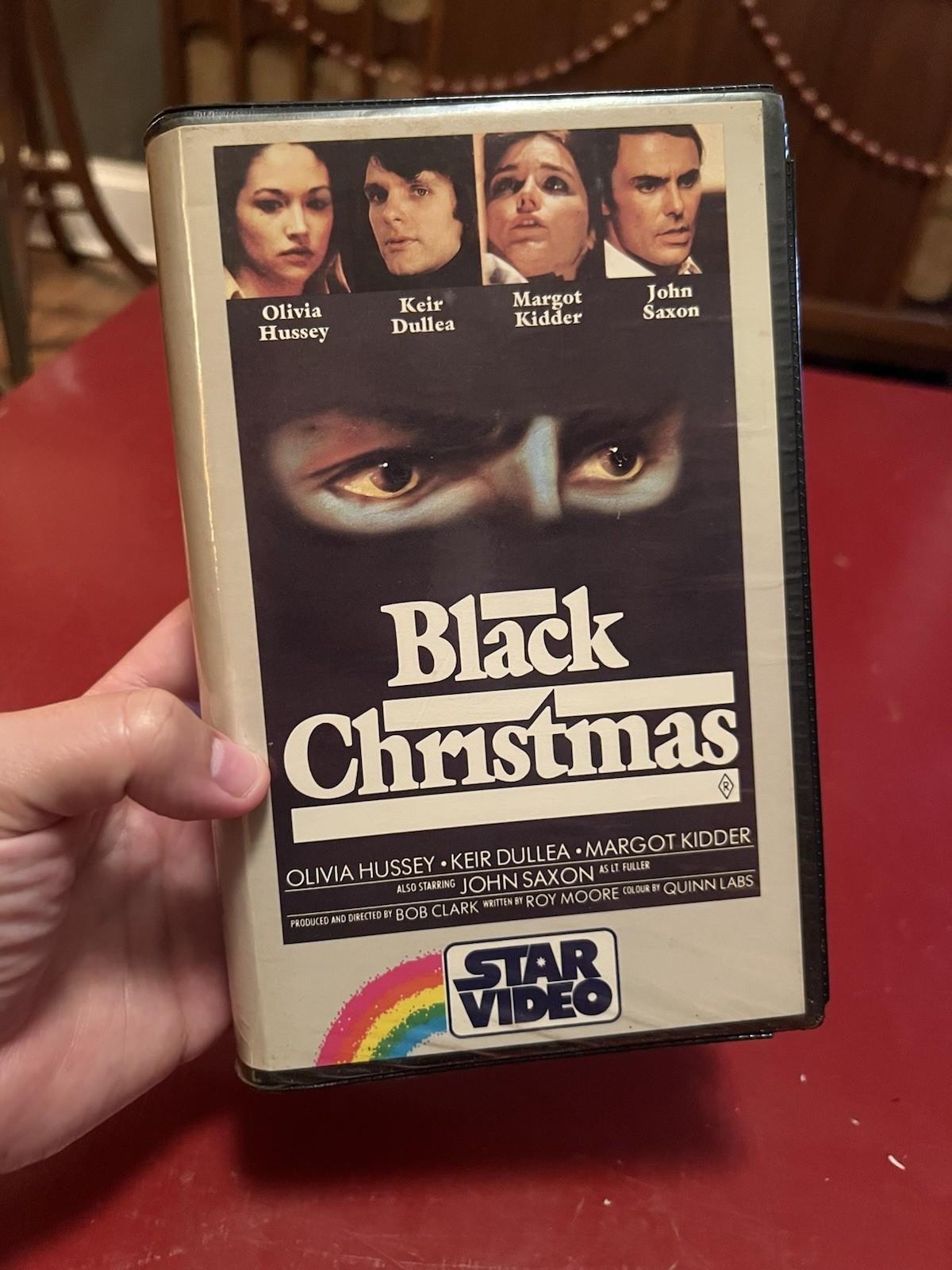
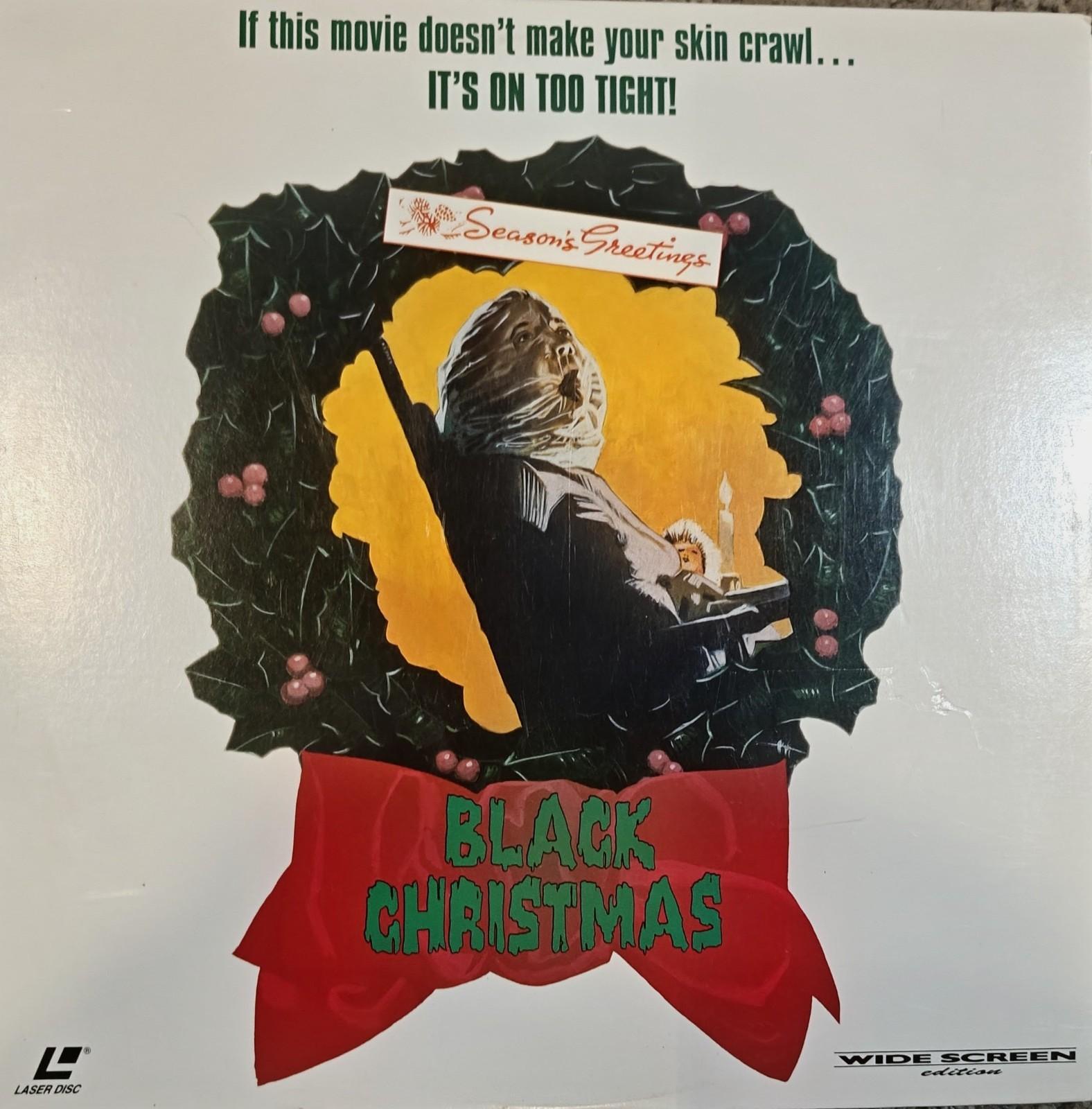
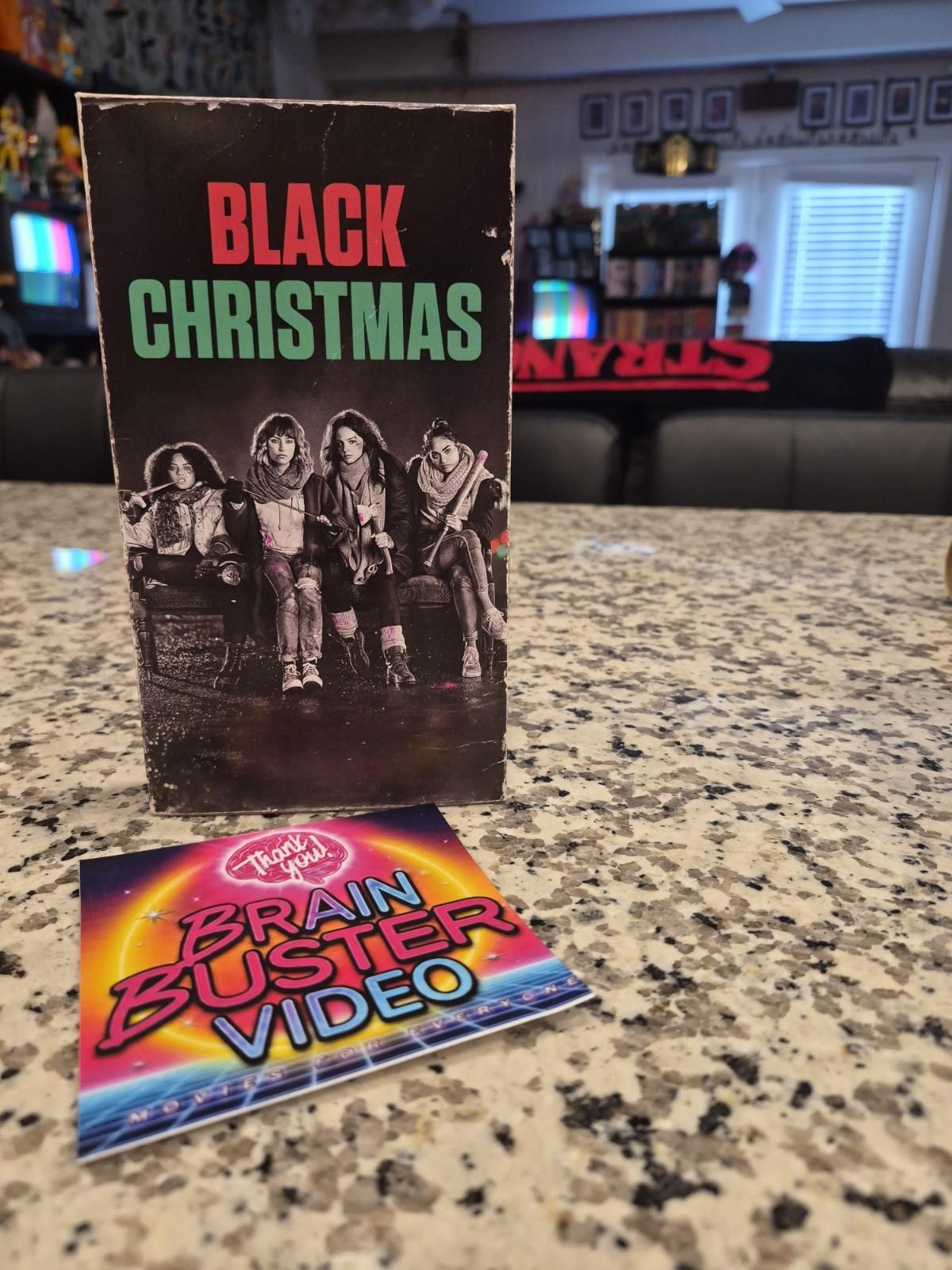
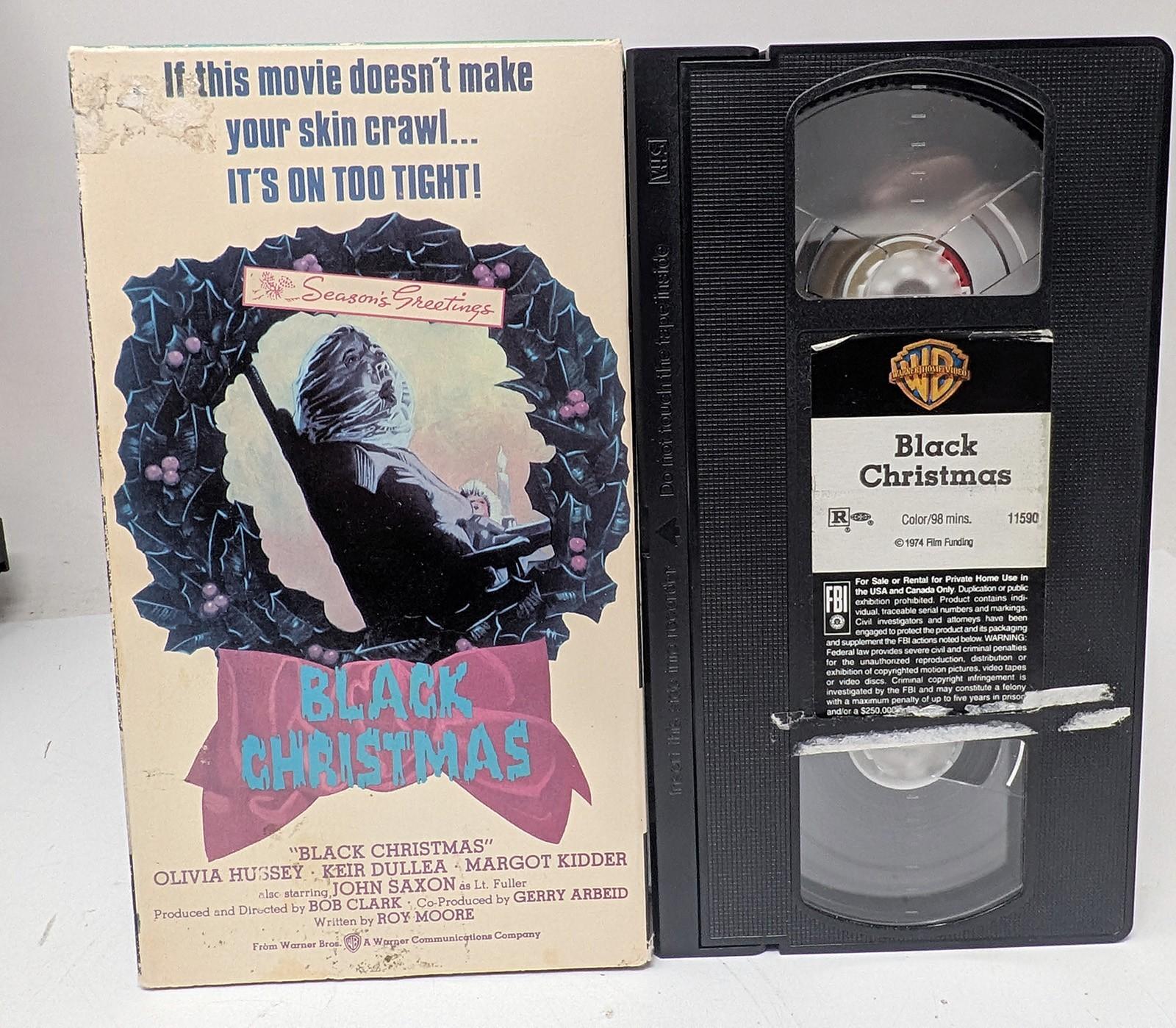
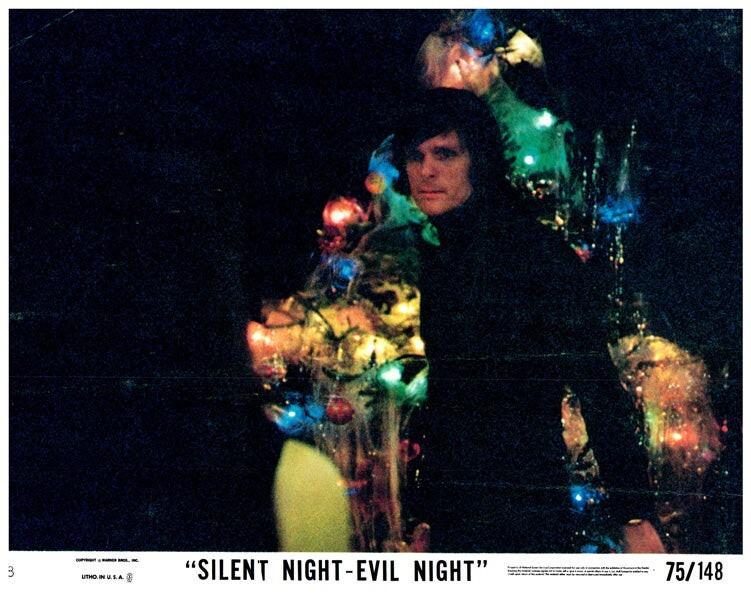
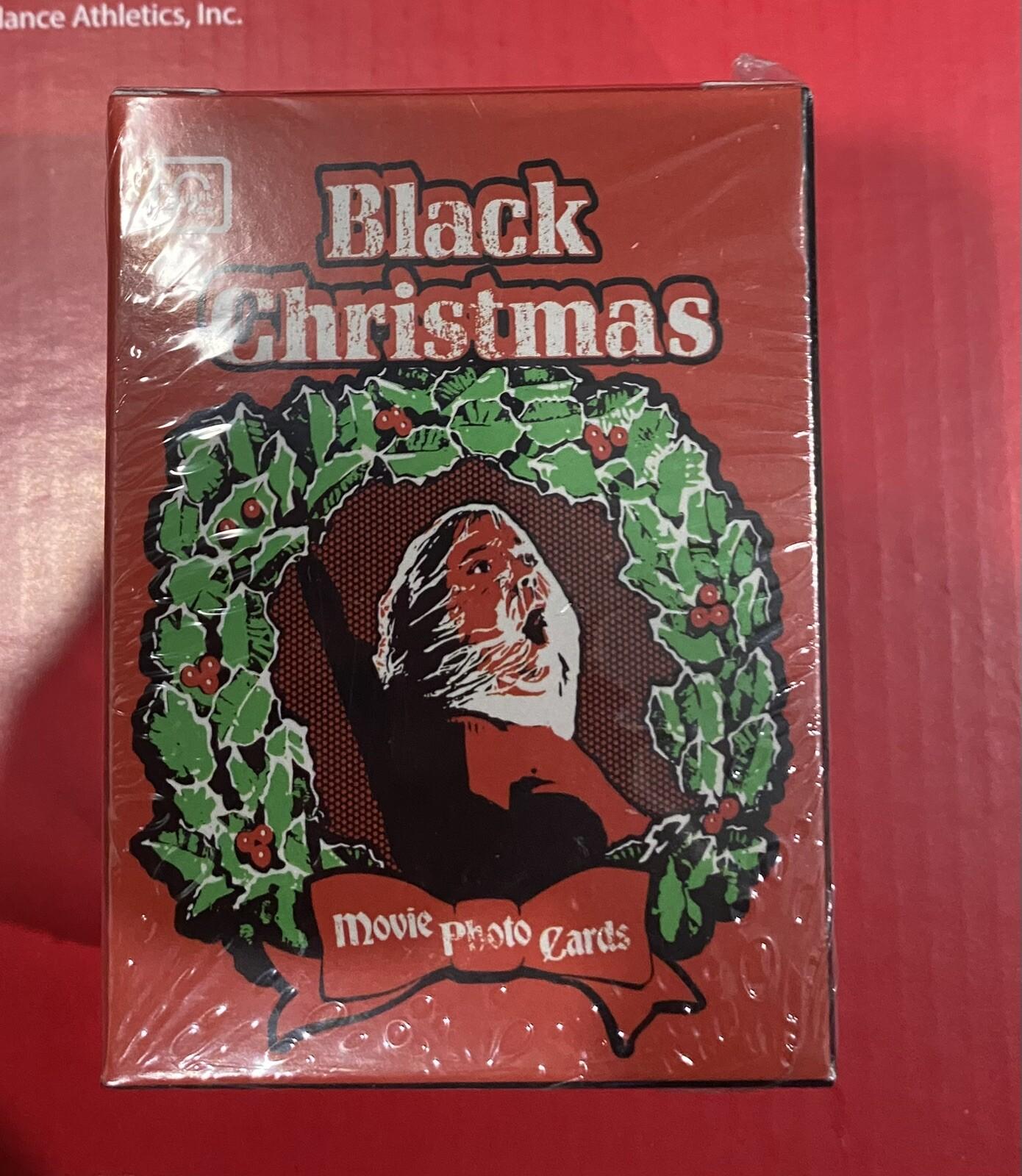
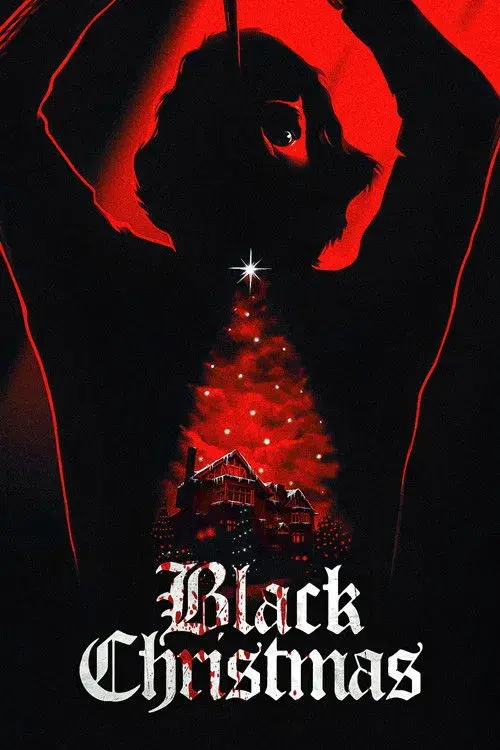
The killer's iconography — design, weapon, methodology — sustains collector appeal across decades. The specific visual identity built around the central threat makes any associated material immediately recognizable for slasher enthusiasts.
Cult Status
Directed by Bob Clark and written by Roy Moore, Black Christmas was a Canadian production shot largely on location in Toronto, with the sorority house filmed at a property on Arbor Road at the University of Toronto. Black Christmas performed respectably at the box office in Canada and received generally positive critical notices upon its release, though its distribution in the United States was initially limited and inconsistent, preventing it from achieving the wider commercial impact its quality merited at the time. Its reputation has grown substantially over subsequent decades as horror historians and critics have traced the formal and narrative DNA of the slasher genre back to its innovations, and it is now recognized as a landmark of Canadian cinema and a foundational work of the horror genre, consistently cited alongside Halloween and Friday the 13th in discussions of the slasher form's origins.