Cronos
Guillermo del Toro
(1993)
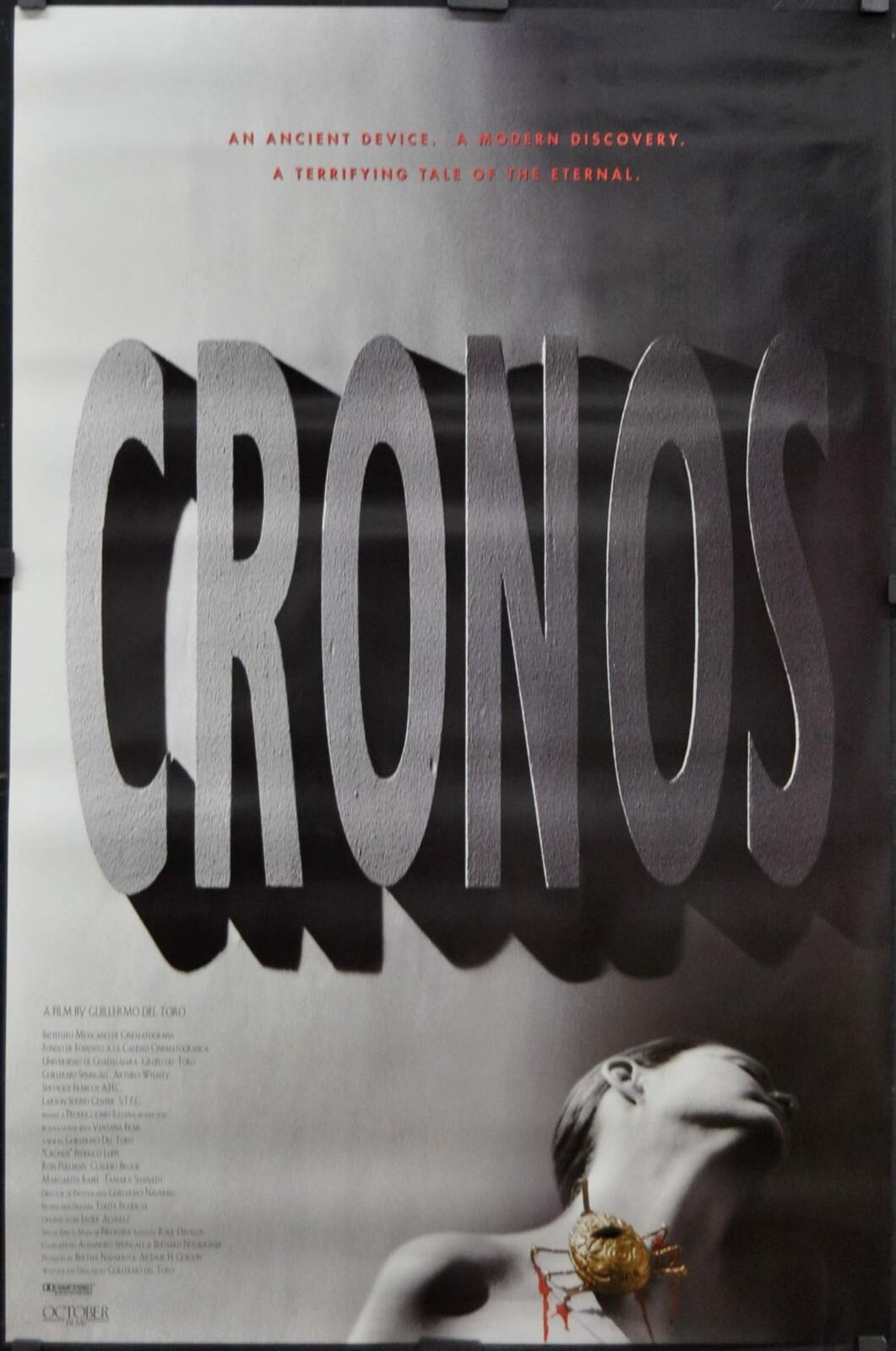
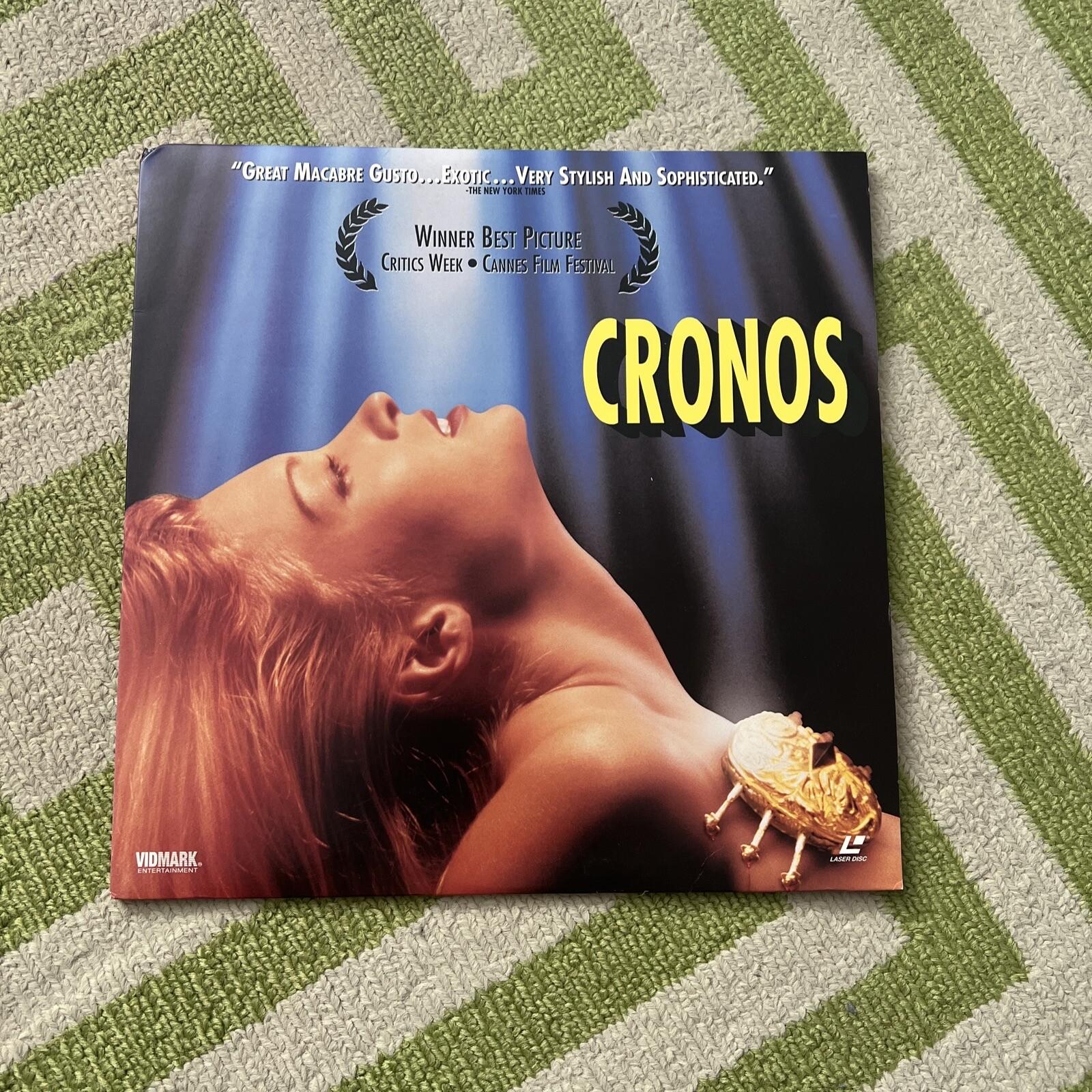
Faced with his own mortality, an ingenious alchemist tried to perfect an invention that would provide him with the key to eternal life. It was called the Cronos device. When he died more than 400 years later, he took the secrets of this remarkable device to the grave with him. Now, an elderly antiques dealer has found the hellish machine hidden in a statue and learns about its incredible powers. The more he uses the device, the younger he becomes...but nothing comes without a price. Life after death is just the beginning as this nerve-shattering thriller unfolds and the fountain of youth turns bloody.
Cast





Crew
Overview and Horror Legacy
The film is now recognized as one of the most accomplished debut features in horror cinema, admired for the emotional depth of its treatment of aging and familial devotion alongside its formal confidence and the richness of its central metaphor, and it established the thematic and aesthetic preoccupations that would define del Toro's subsequent career.
Collector Market and Memorabilia
Del Toro's debut — the Cronos device, a gold insect mechanism granting immortality through a sting, is one of cinema's most inventive MacGuffins. The film's Mexican Gothic atmosphere and handcrafted visual language established del Toro's signature aesthetic, giving it extraordinary value as a debut document.
Cult Status
Directed and written by Guillermo del Toro, Cronos was a Mexican production made on a budget of approximately $2 million, assembled through a combination of personal investment, government cultural funding, and private investment. Cronos was received with considerable enthusiasm by international critics and festival audiences, establishing del Toro's reputation as a major new voice in genre filmmaking and opening doors to subsequent international co-productions. The film is now recognized as one of the most accomplished debut features in horror cinema, admired for the emotional depth of its treatment of aging and familial devotion alongside its formal confidence and the richness of its central metaphor, and it established the thematic and aesthetic preoccupations that would define del Toro's subsequent career.