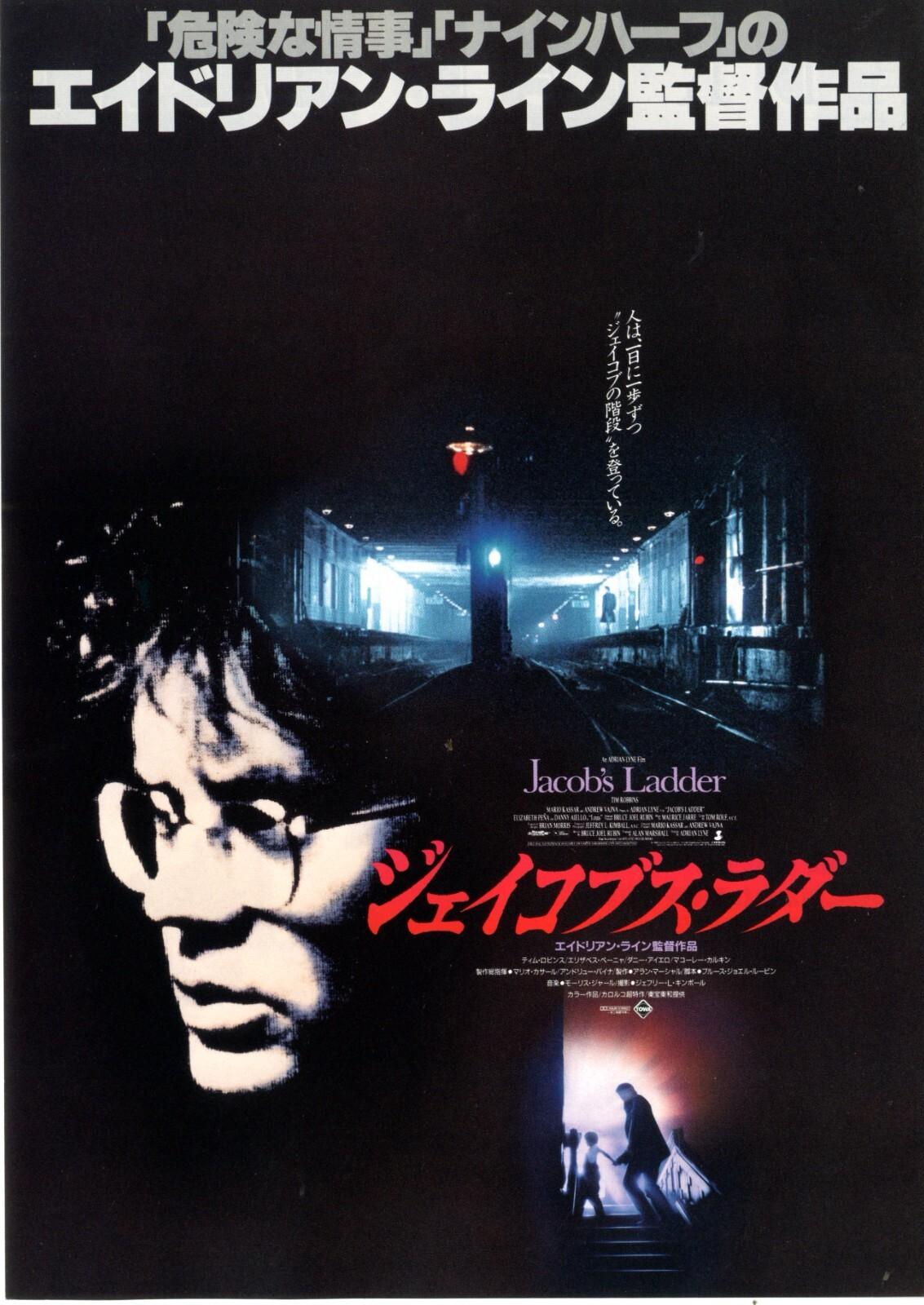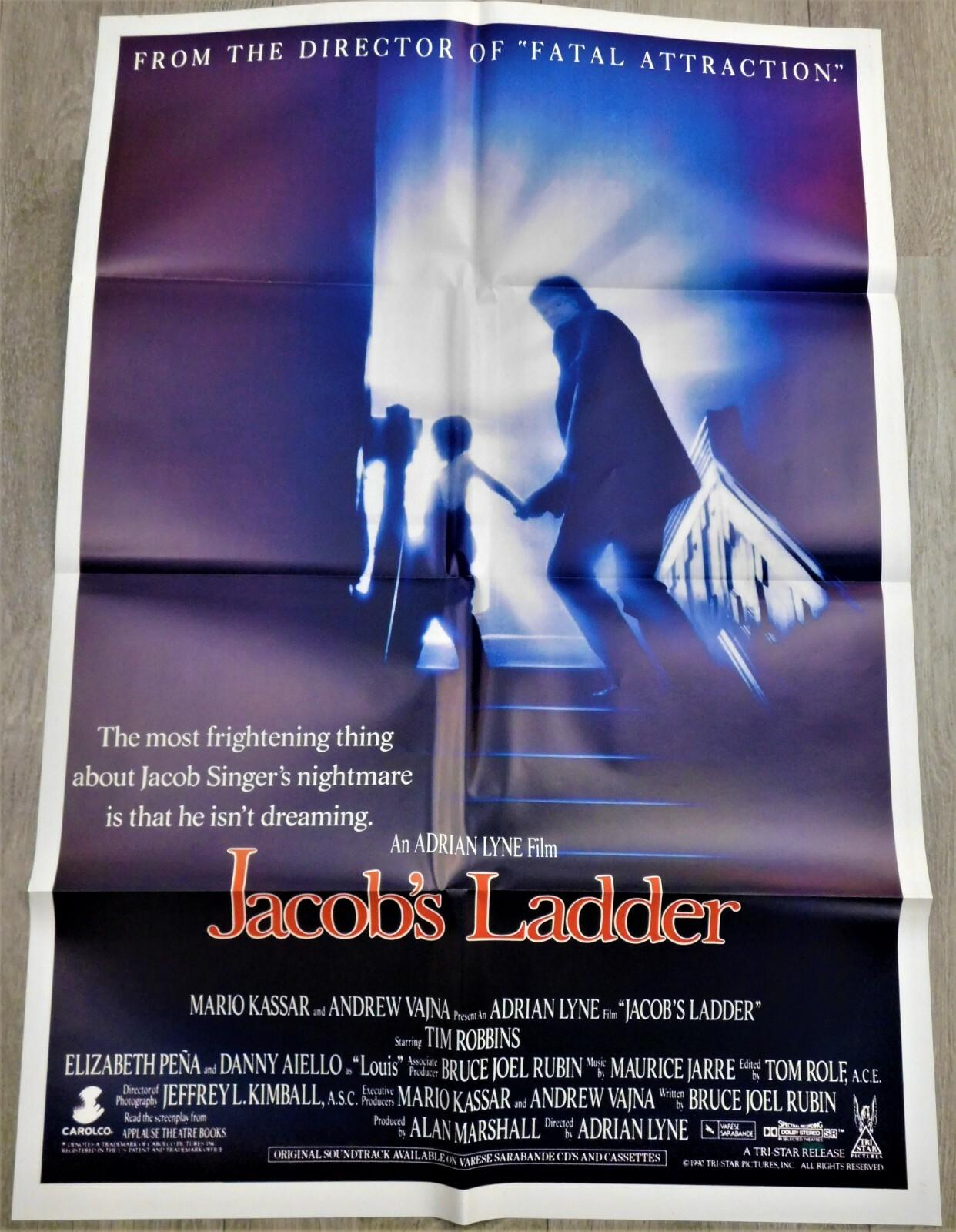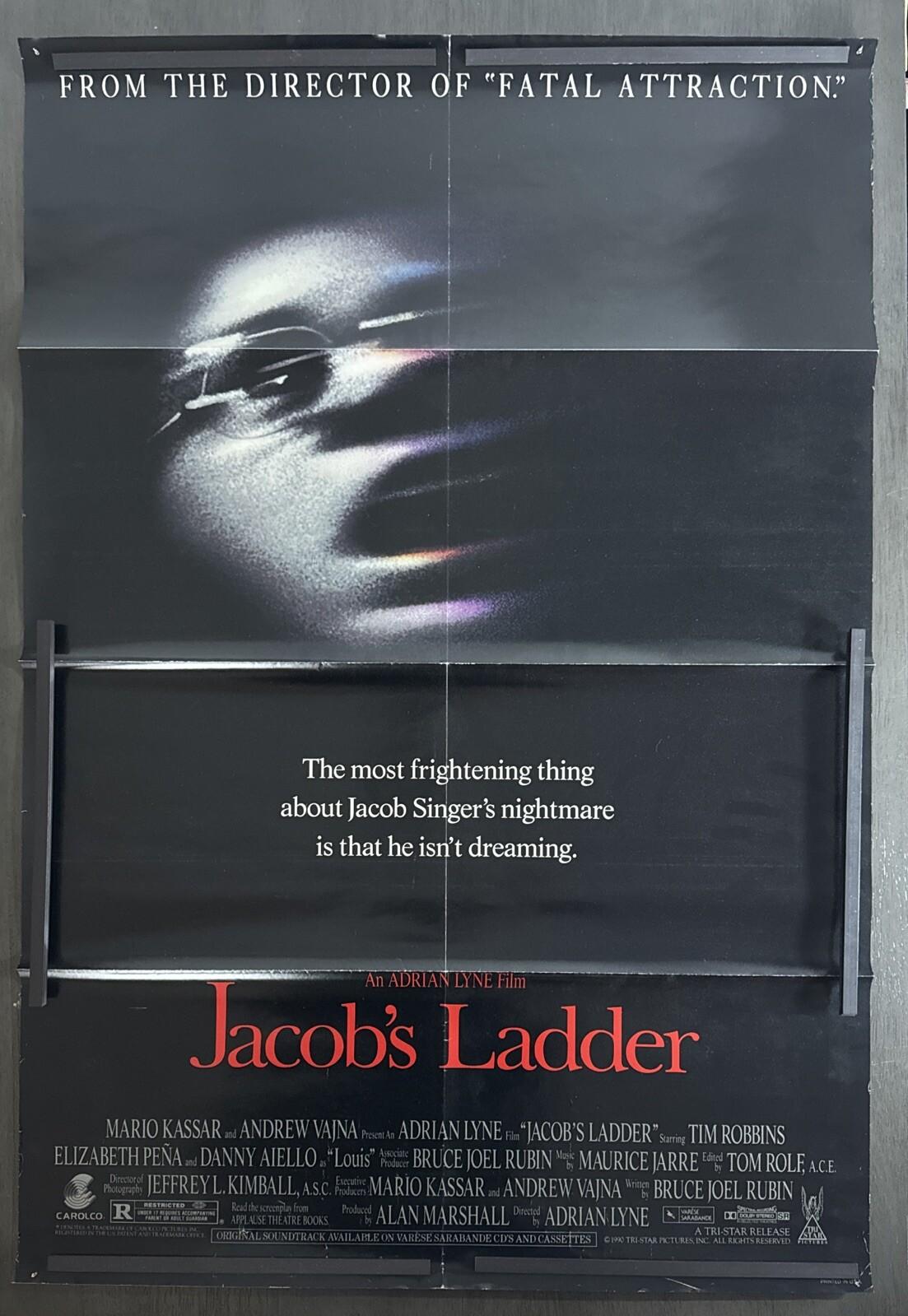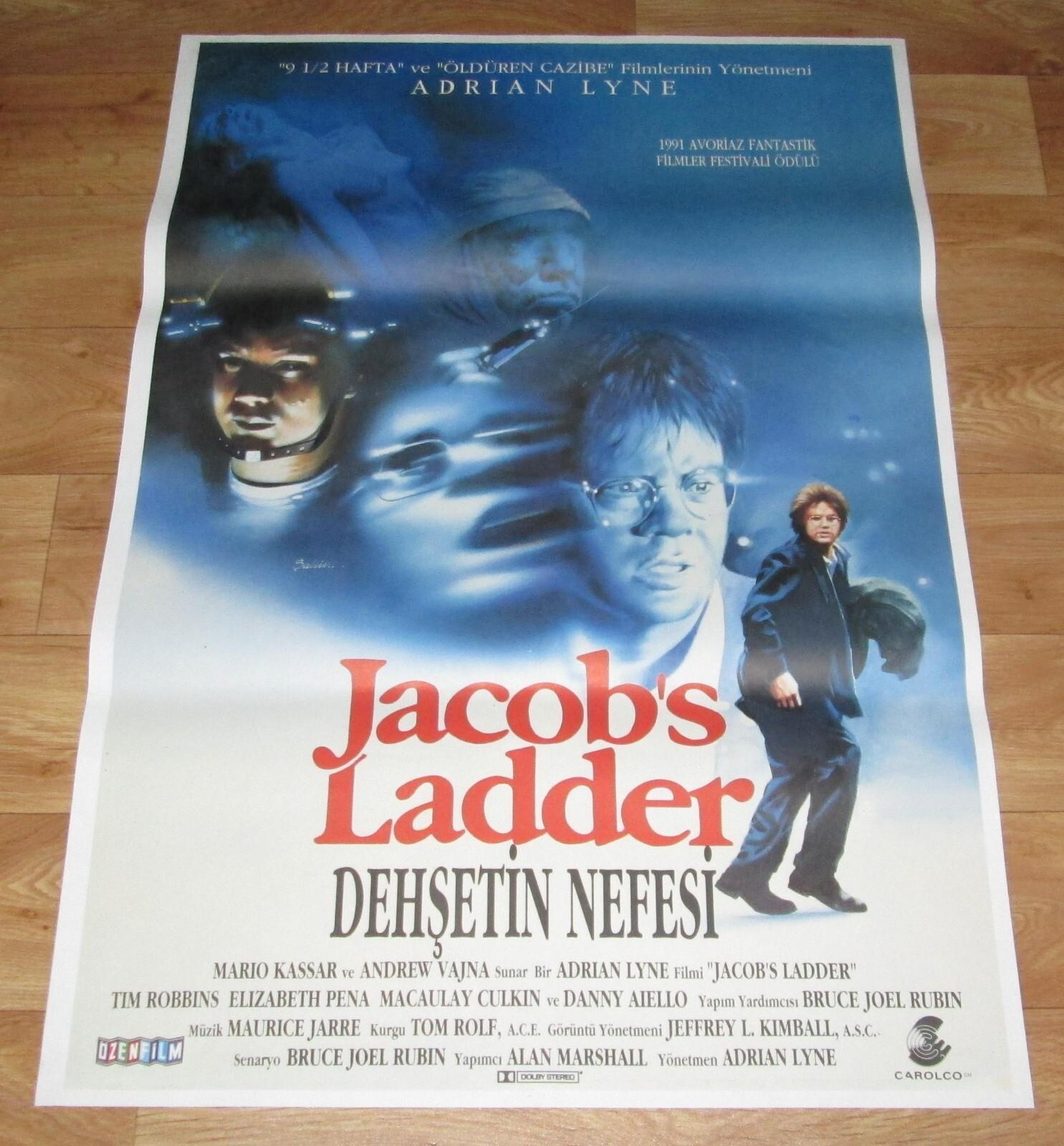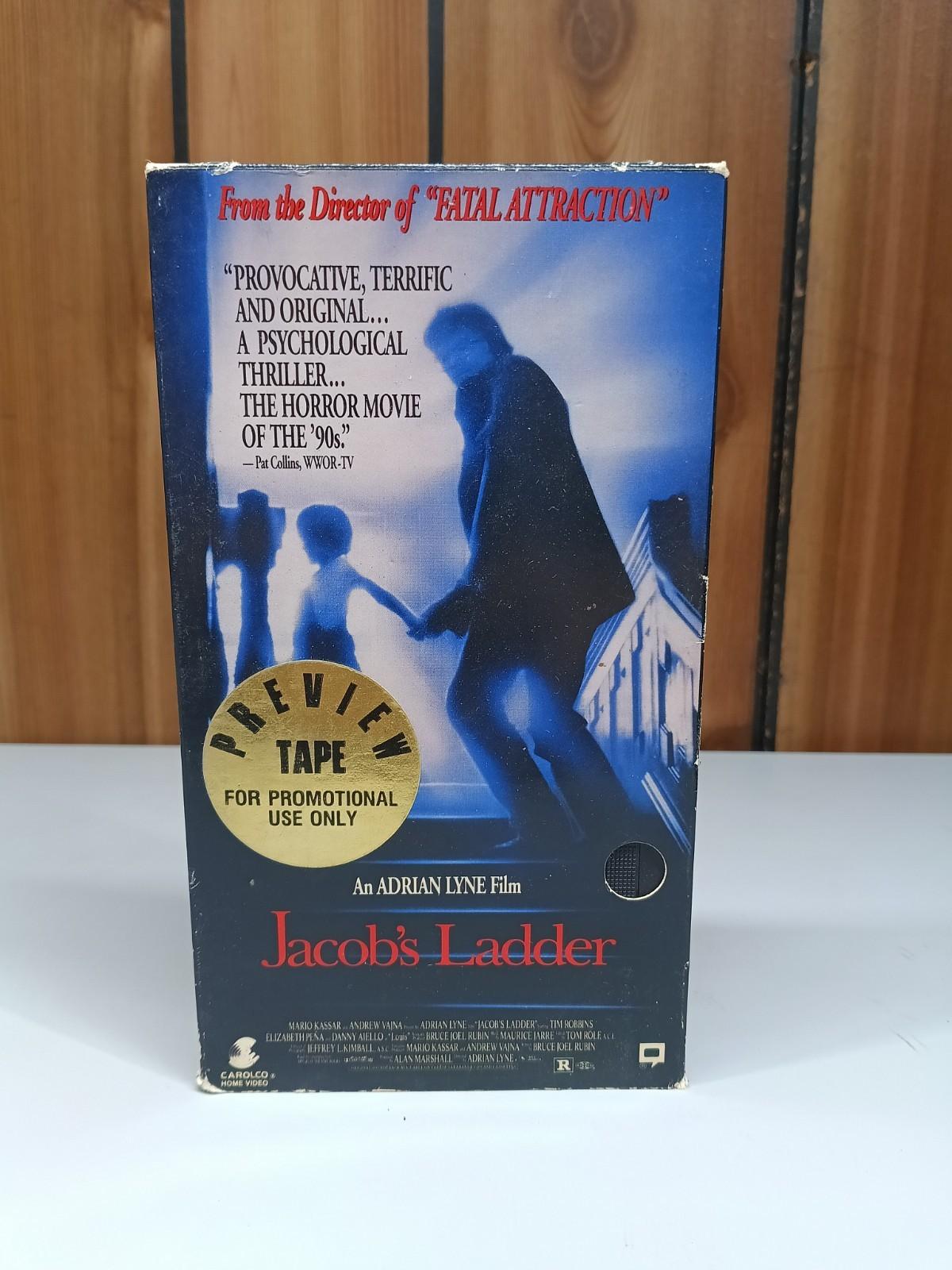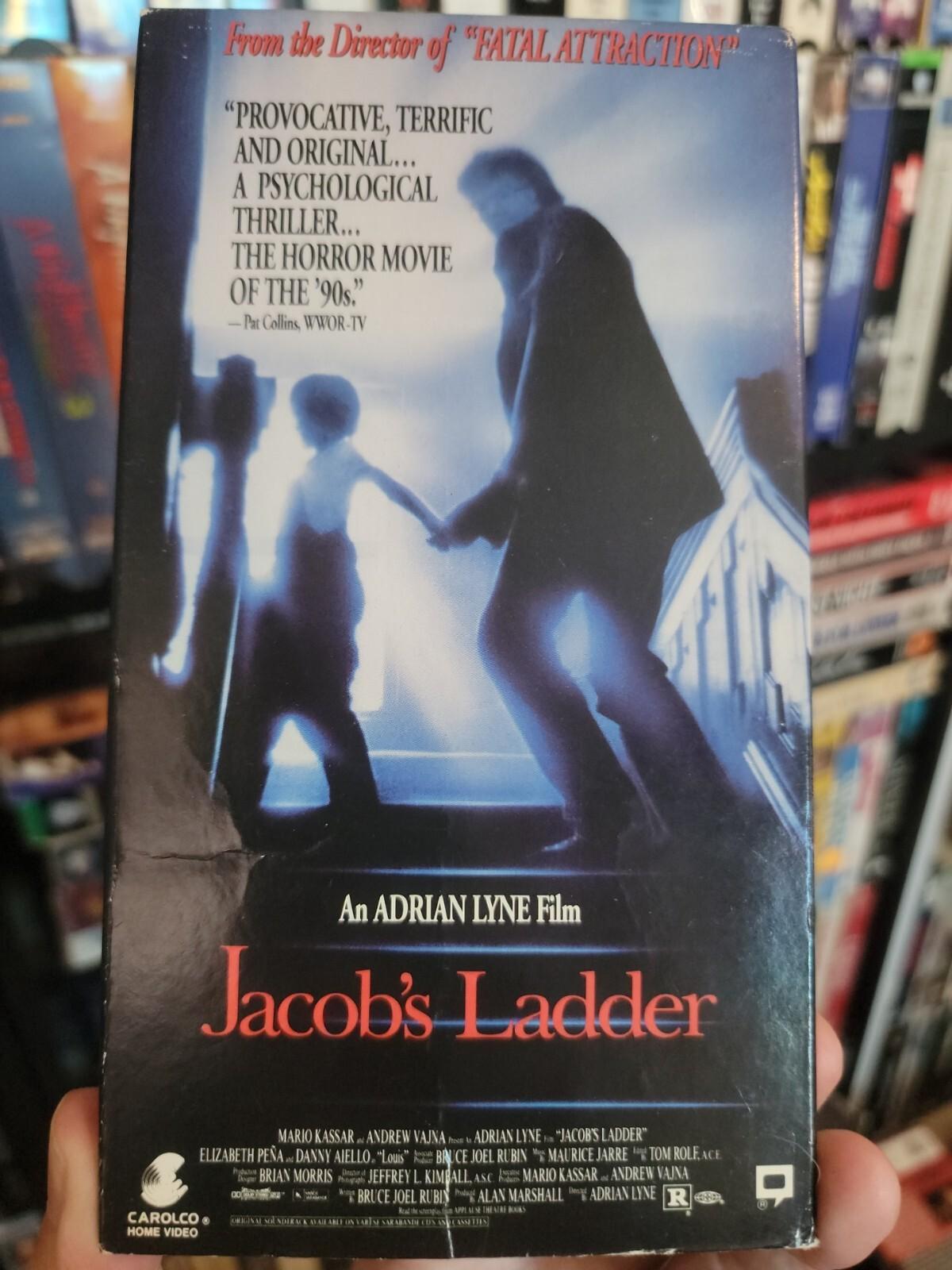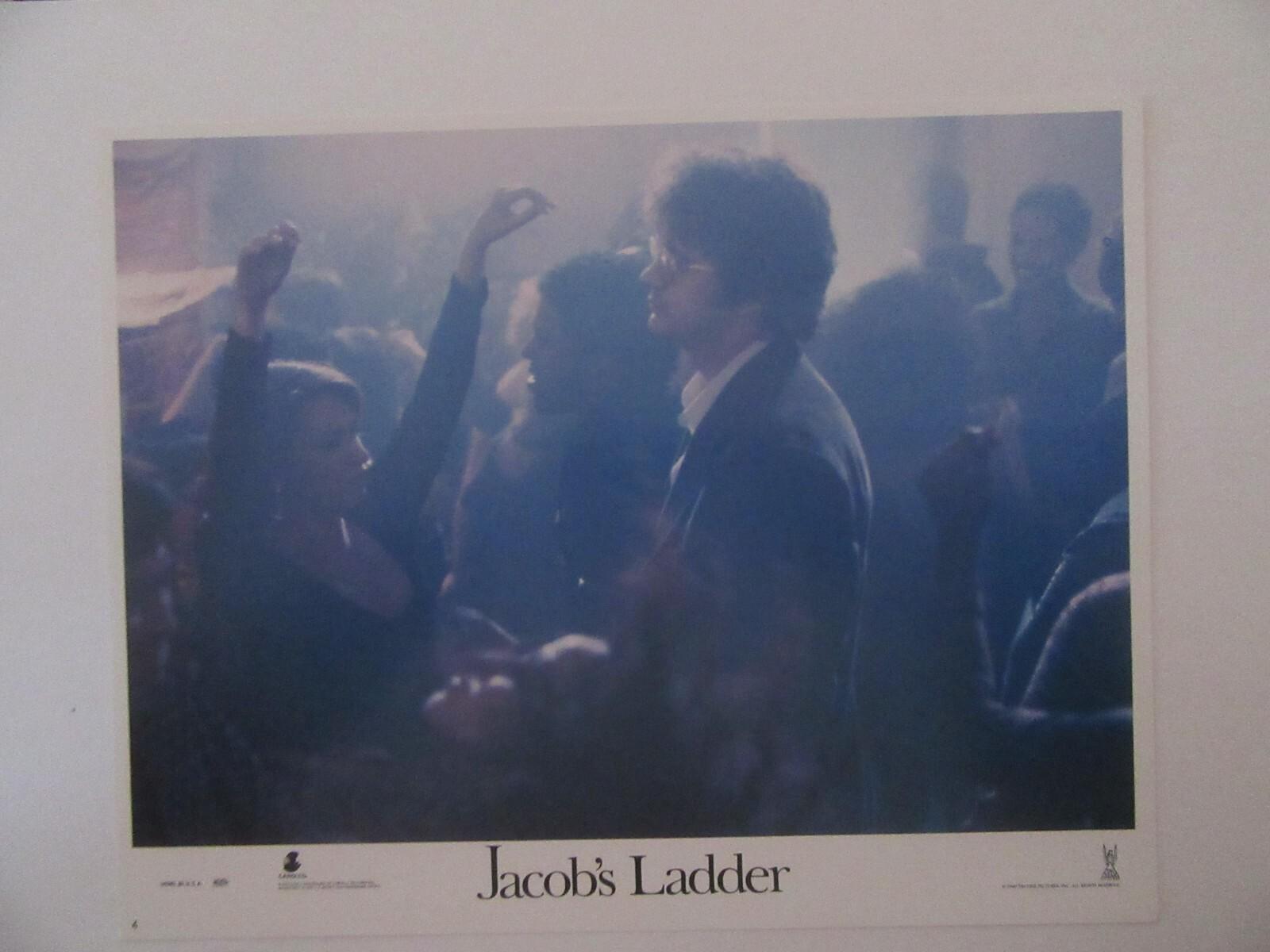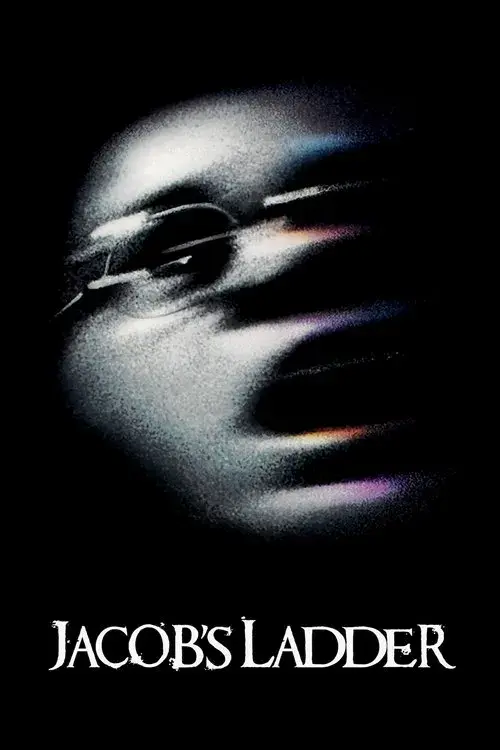
Jacob's Ladder
Adrian Lyne
(1990)
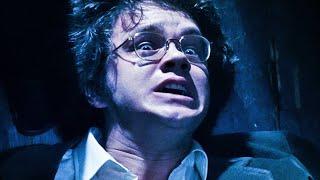
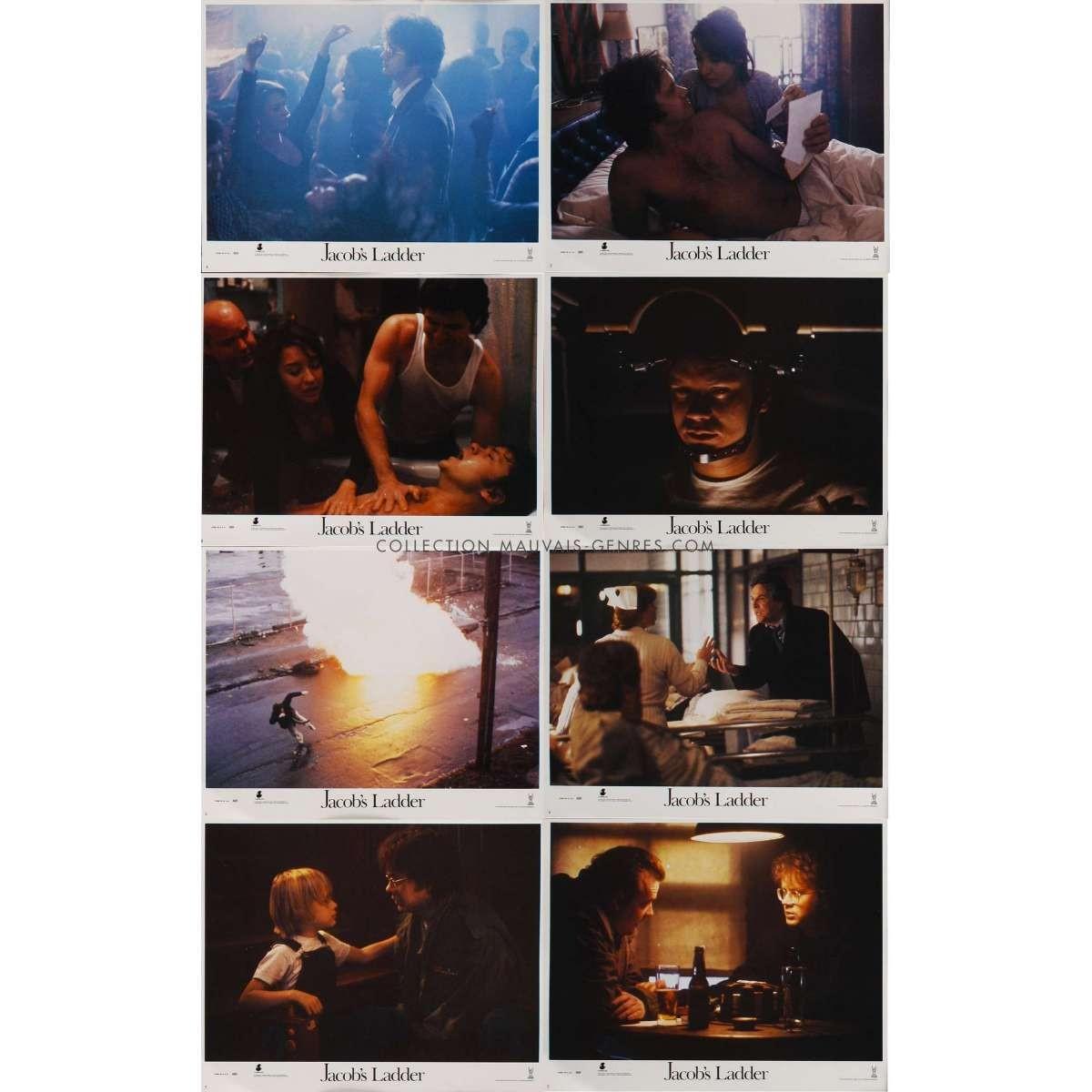
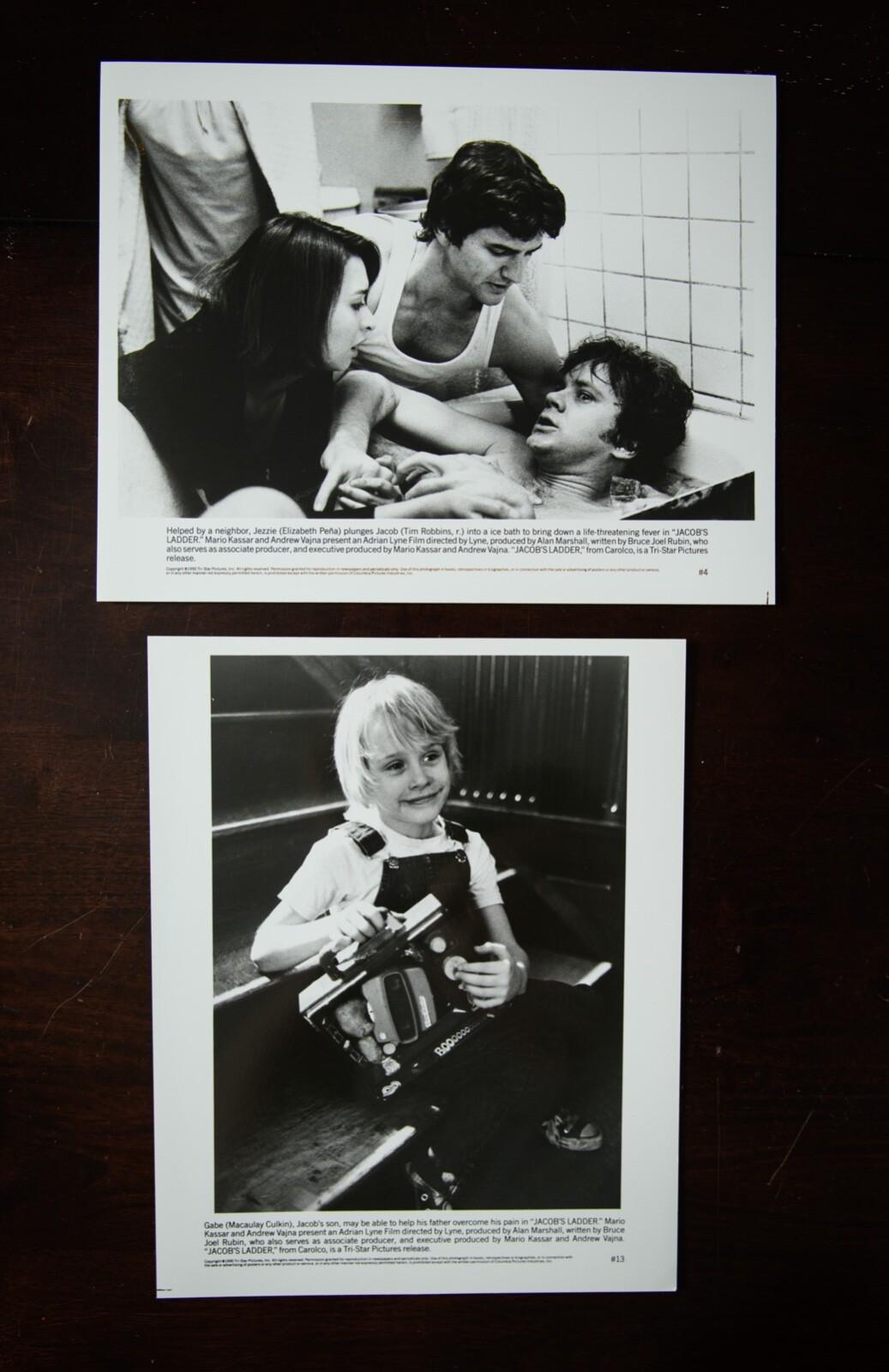
After returning home from the Vietnam War, veteran Jacob Singer struggles to maintain his sanity. Plagued by hallucinations and flashbacks, Singer rapidly falls apart as the world and people around him morph and twist into disturbing images. His girlfriend, Jezzie, and ex-wife, Sarah, try to help, but to little avail. Even Singer's chiropractor friend, Louis, fails to reach him as he descends into madness.
Cast





Crew
Overview and Horror Legacy
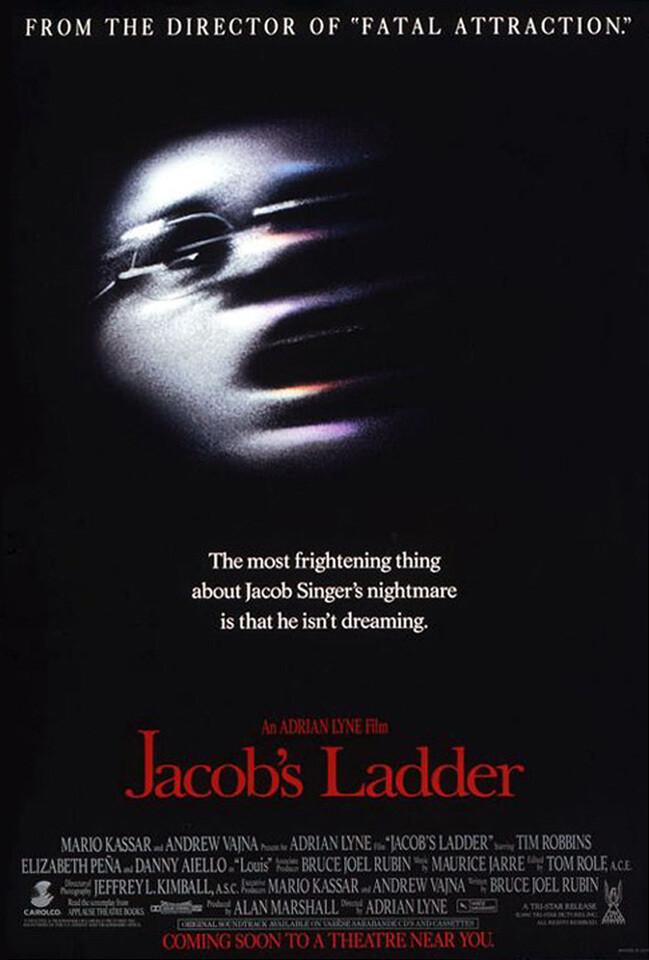
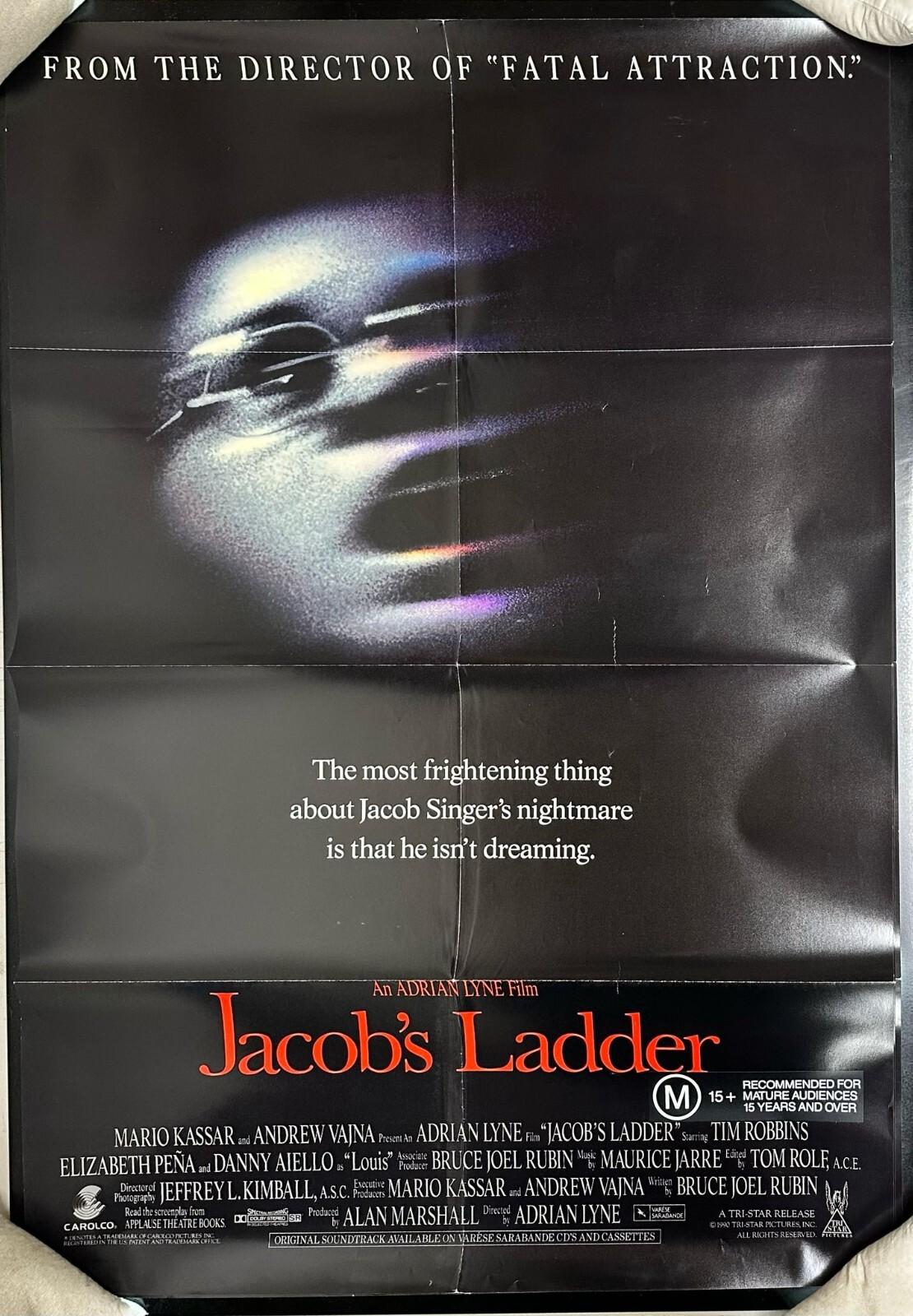
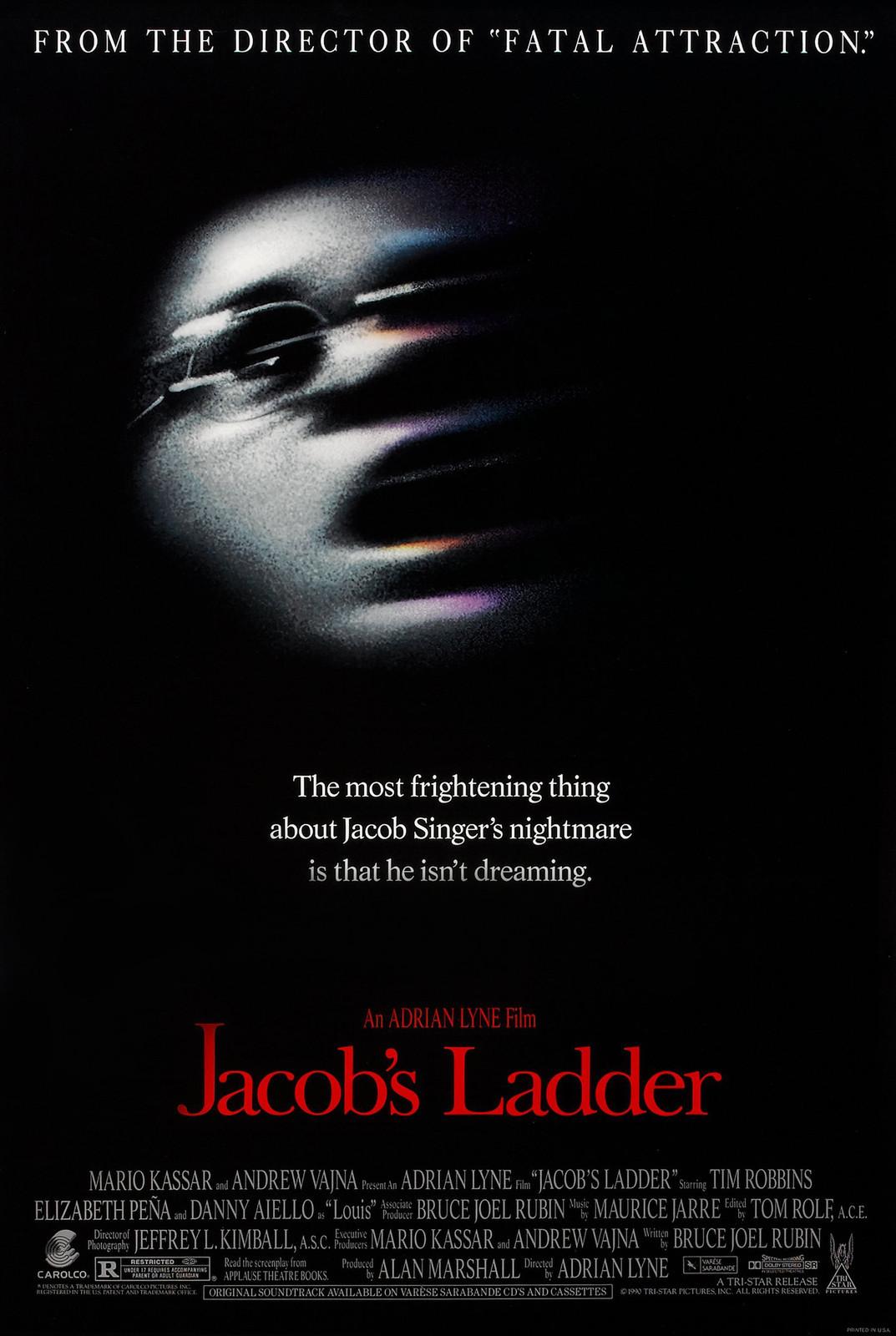
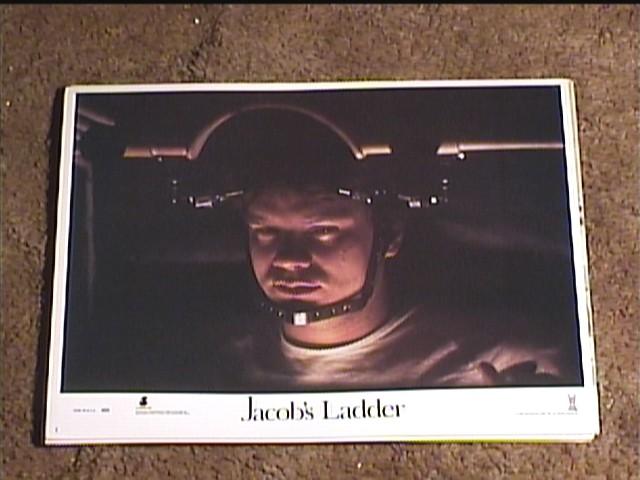
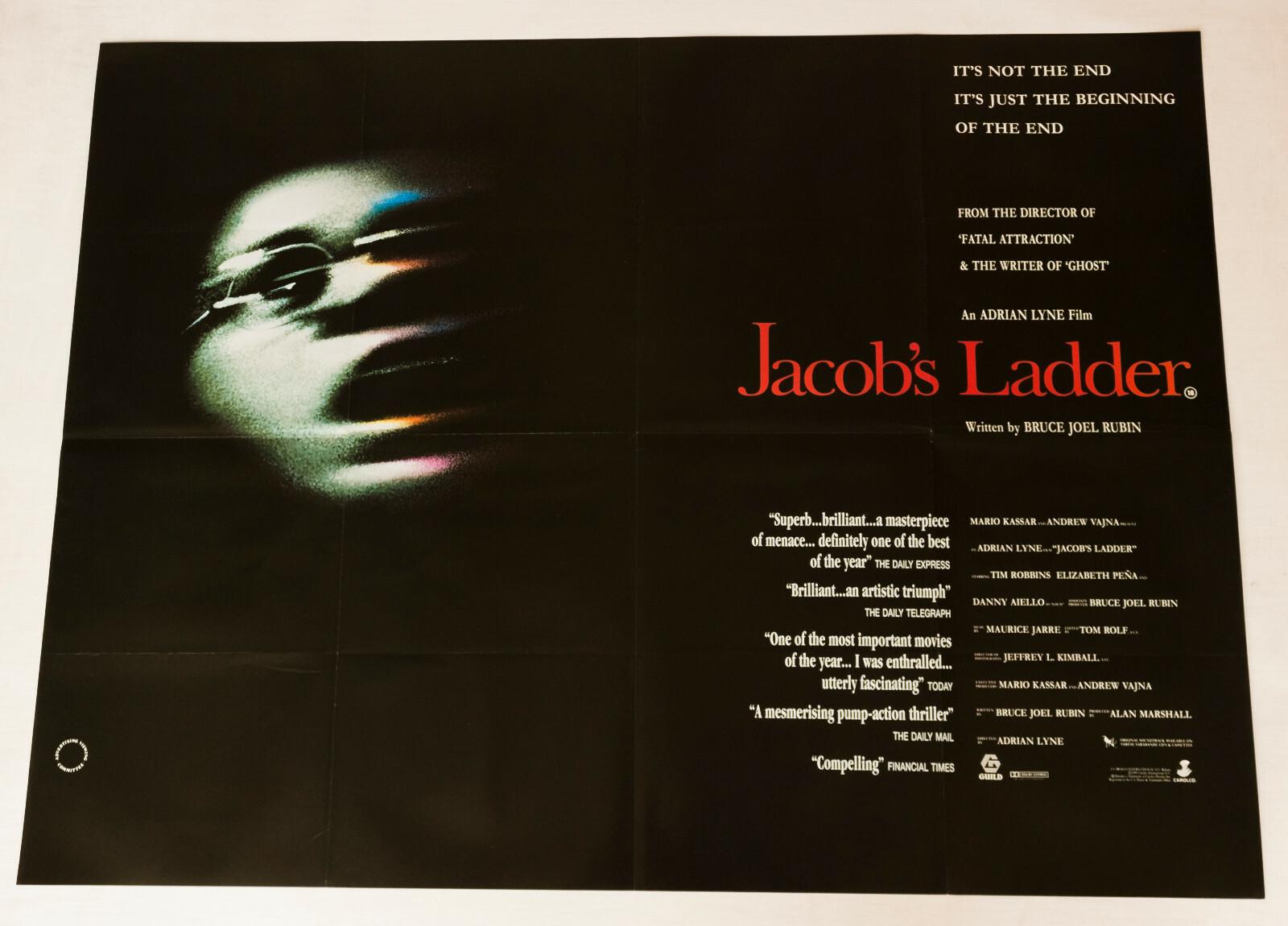
The film's distinctive demon imagery, featuring figures whose heads vibrate at an inhuman frequency rather than moving normally, was achieved practically by having the performers shake their heads rapidly while the camera filmed at a lower frame rate, creating an effect on screen that has been enormously influential on subsequent horror filmmaking and visual effects work.
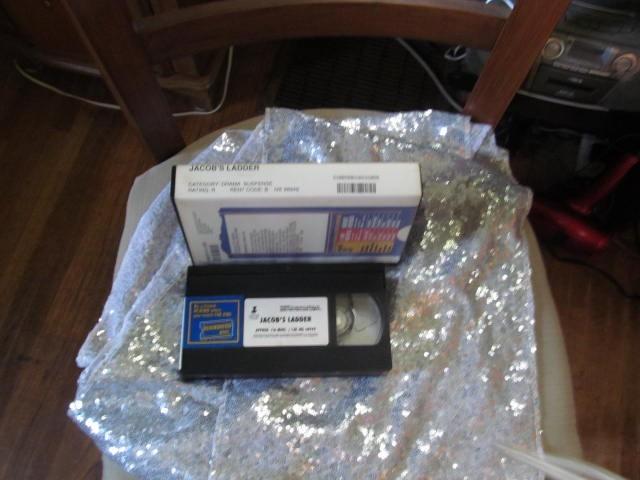
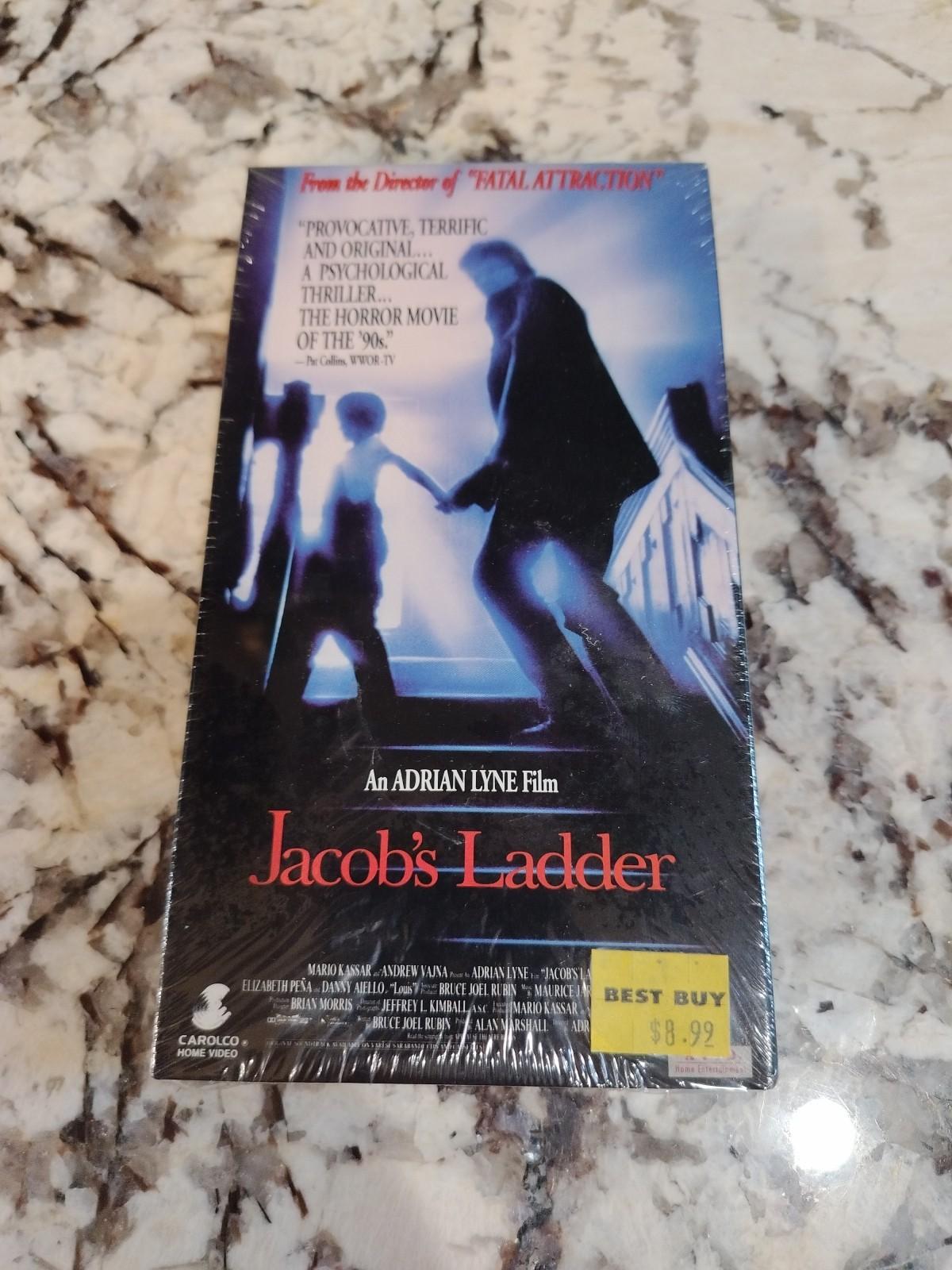
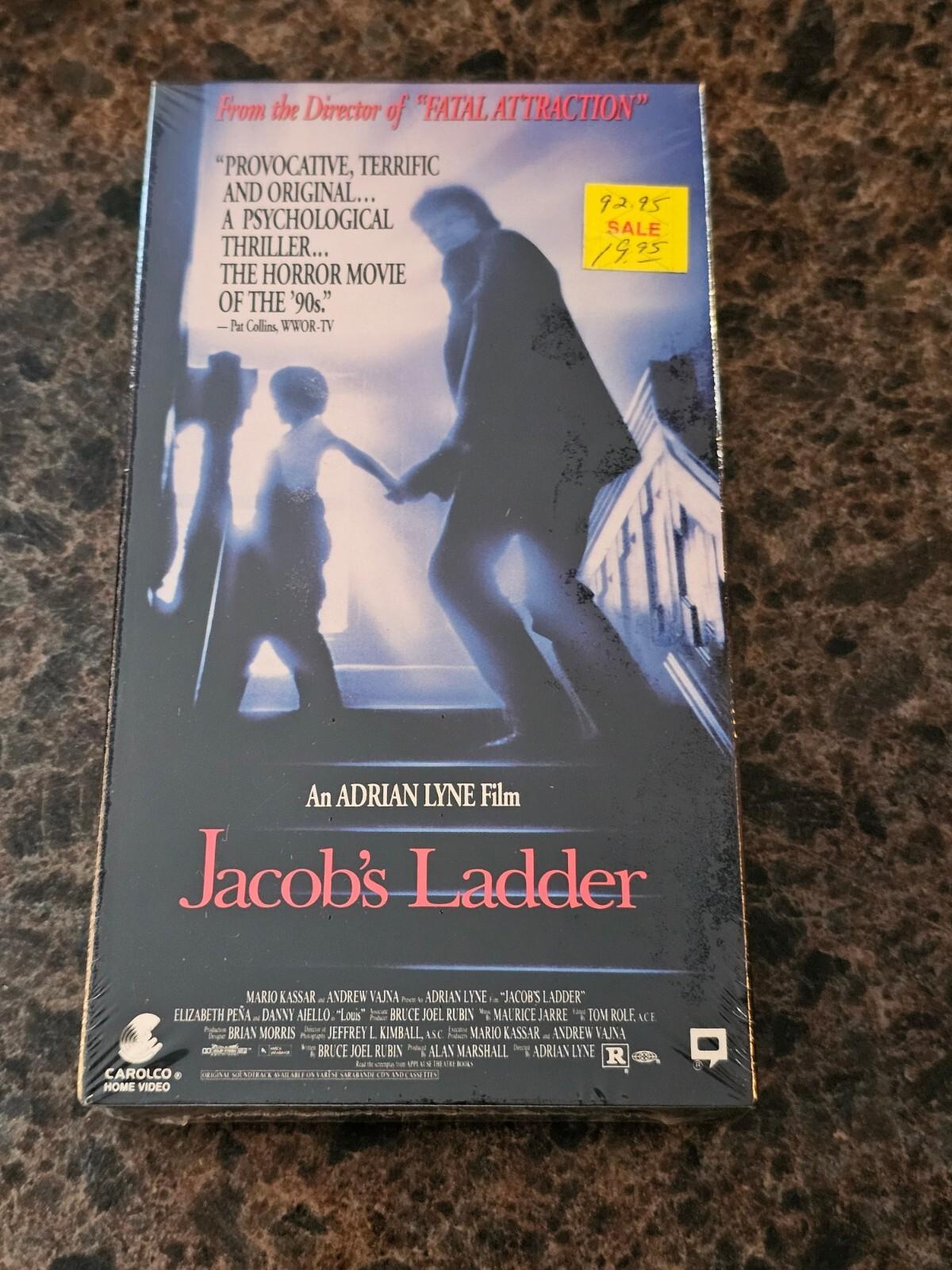
Collector Market and Memorabilia
Robbins' deteriorating reality — hospital corridors, faceless strangers, shaking heads — gave Jacob's Ladder a visual language that influenced horror games and cinema for decades. The Vietnam context and the ambiguous resolution give it psychological weight that straight supernatural films rarely achieve.
Cult Status
Directed by Adrian Lyne, Jacob's Ladder was produced on a budget of approximately $25 million, with the production offsetting its lean resources through craft and camera technique. Jacob's Ladder received a divided critical response upon its November 1990 release, with some reviewers responding enthusiastically to its ambition, its imagery, and Robbins's performance while others found its narrative deliberately obscure to a frustrating degree. Over subsequent decades the film has been comprehensively reassessed and is now widely regarded as one of the most distinctive and accomplished American horror films of its era, its influence traceable across a broad range of subsequent films, games, and other media that share its interest in the permeable boundary between traumatic memory, hallucination, and reality.